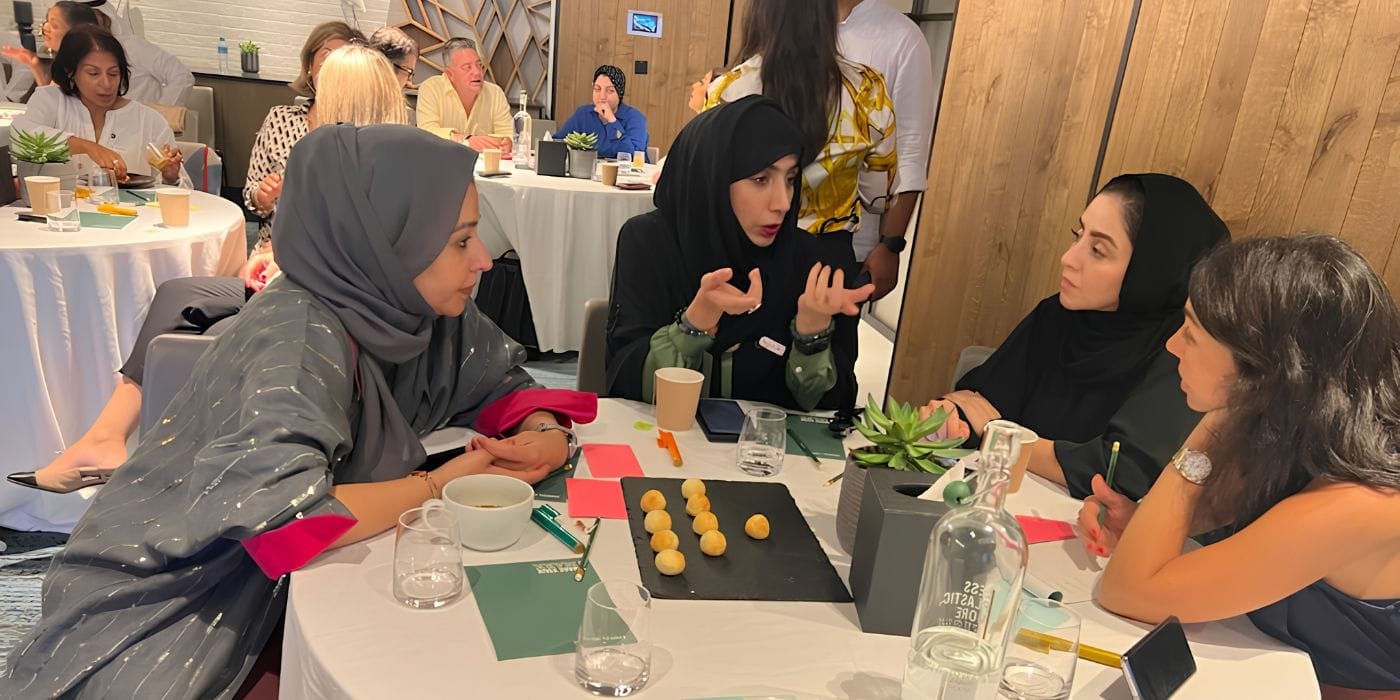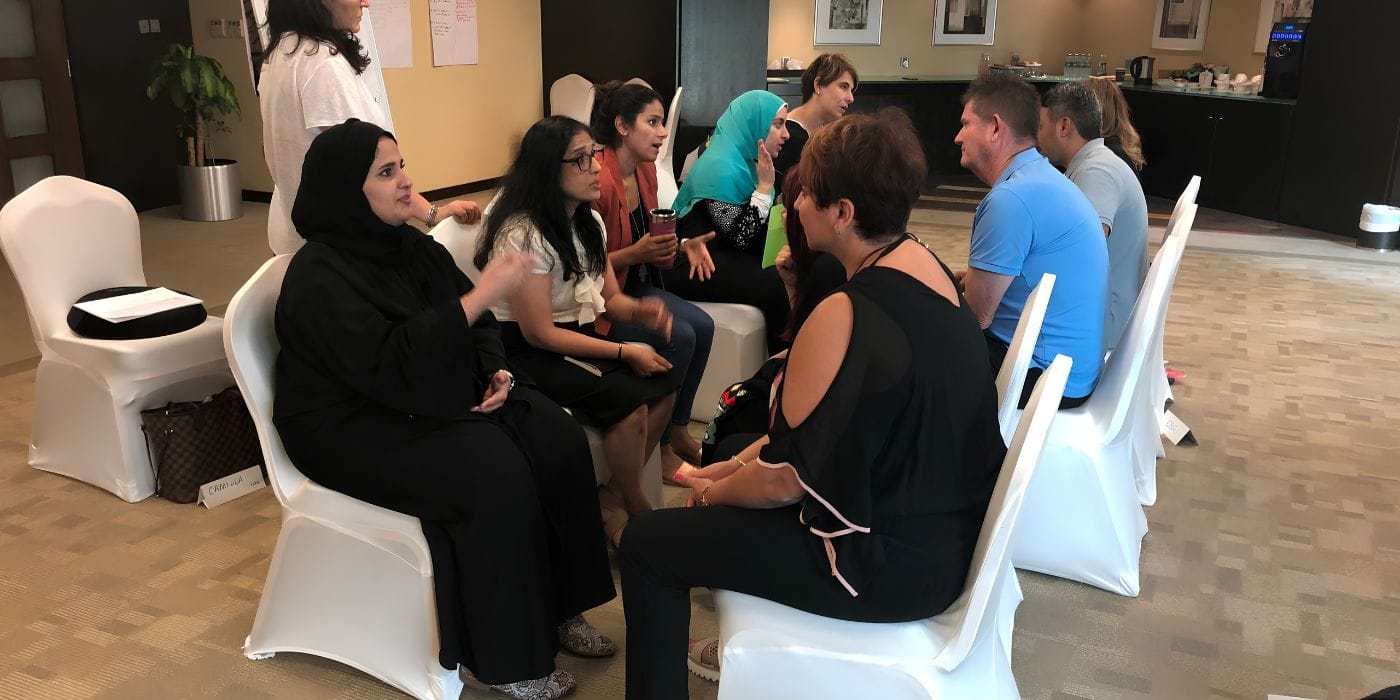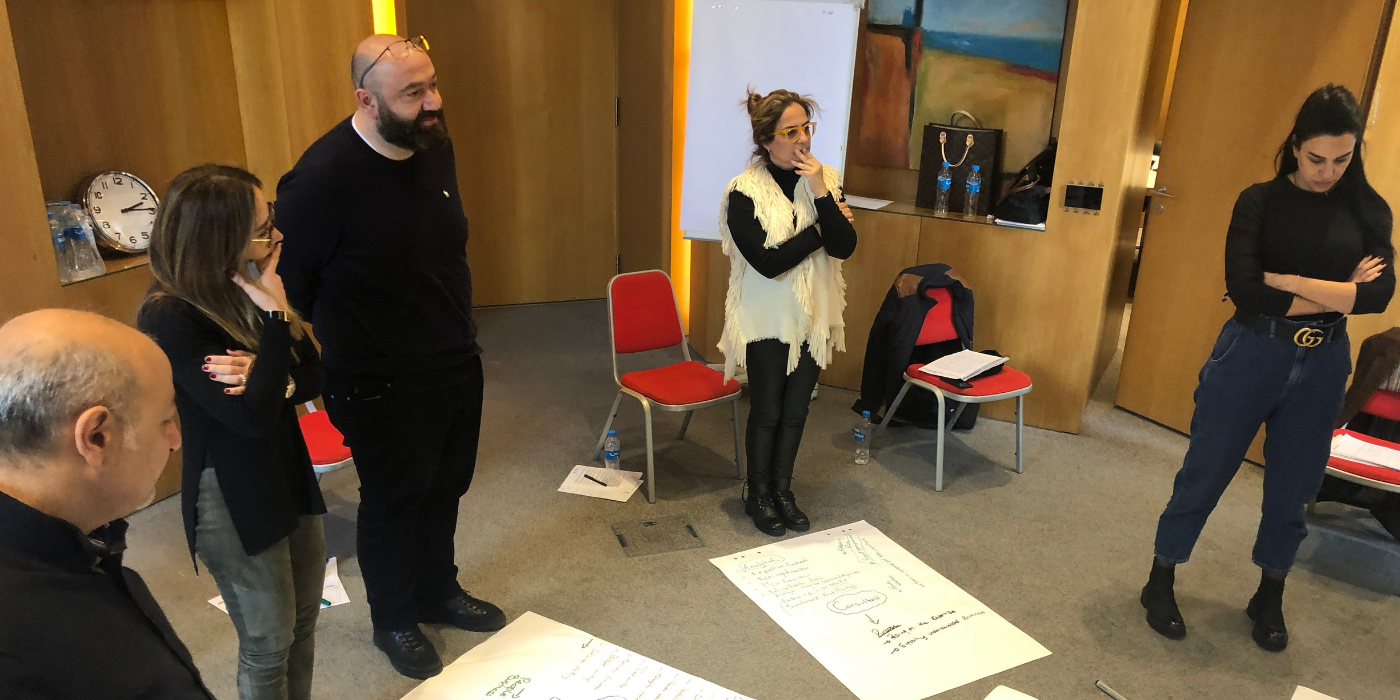


Teamwork is a key ingredient in nearly every successful organisation, project, or relationship. Whether you’re collaborating with colleagues, working on a school project, or organising a community event, the ability to work well with others can make a significant difference. Team lunches and outings may build rapport, but they’re no substitute for effective team coaching that drives real alignment and lasting performance.
In this blog, we’ll explore what teamwork really means, highlight its core characteristics, unpack its benefits, and share practical tips to help you strengthen collaboration in any setting.
The Foundation of Effective Collaboration
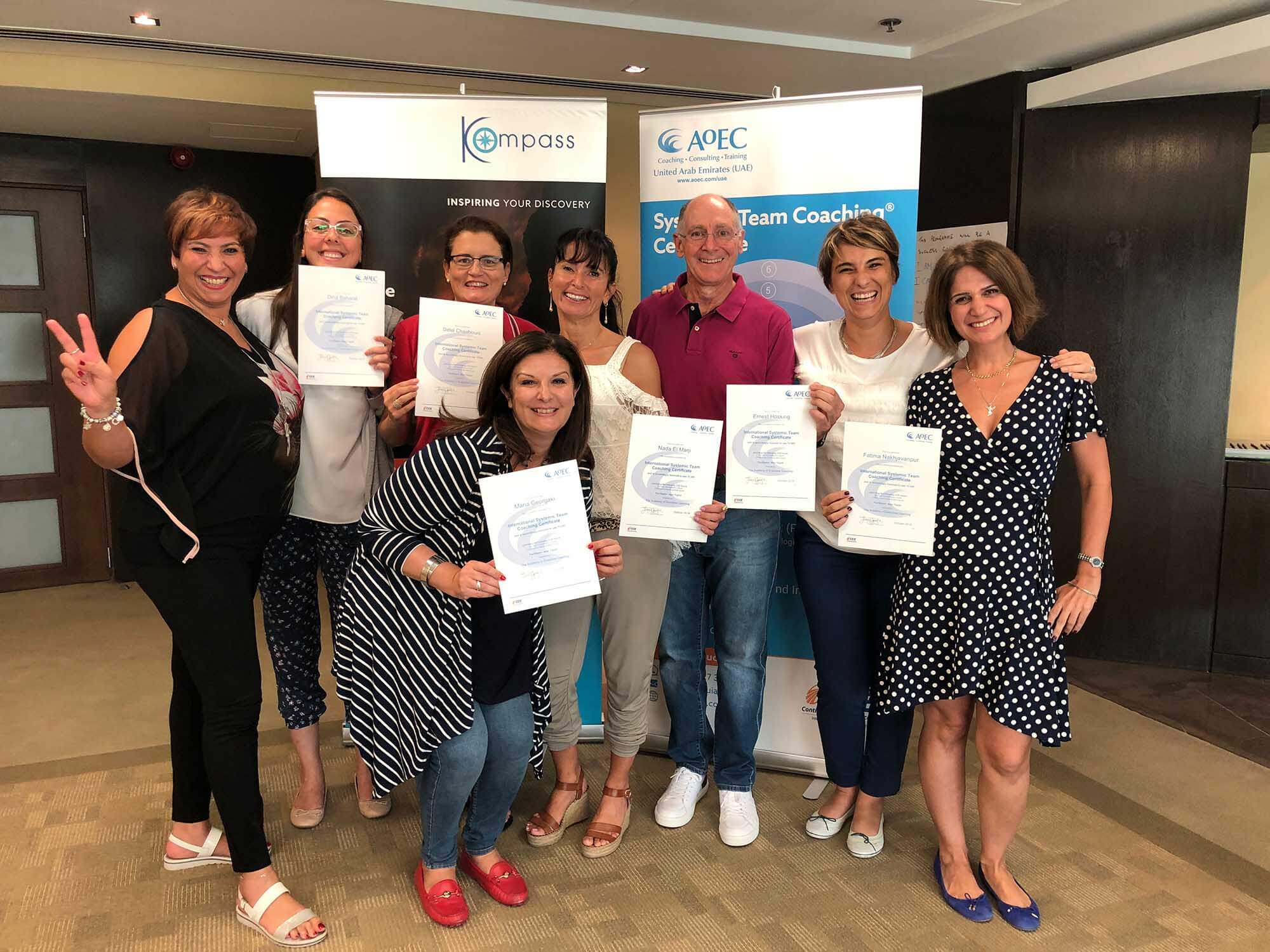
Teamwork is the collaborative effort of individuals working together toward a common goal. It relies on open communication, mutual trust, active cooperation, and a shared commitment to supporting one another throughout the process. When people function as a cohesive team, they combine their individual strengths, divide responsibilities strategically, and tackle challenges collectively, resulting in more efficient and impactful outcomes.
Unlike group work, where members may operate independently with limited interaction, true teamwork is rooted in unity, coordination, and a strong sense of shared accountability. Every team member understands their role within the bigger picture and contributes not just to individual tasks, but to the success of the entire group. It’s this combined effort that transforms a collection of individuals into a high-performing team.
5 Strategic Steps to Strengthen Teamwork
Effective teamwork is the result of clear structure, mutual respect, and shared purpose. Here are five practical steps to enhance collaboration and elevate team performance:
1. Establish Clear and Consistent Communication
Promote a culture where ideas are expressed openly, active listening is the norm, and feedback is constructive. Clarity in communication helps prevent misunderstandings and ensures alignment across the team.
2. Define Roles with Precision
Ensure every team member understands their specific responsibilities and how their contributions impact the broader mission. Well-defined roles reduce confusion and foster accountability.
3. Build a Foundation of Trust and Reliability
Foster reliability by encouraging follow-through and building a culture where team members can depend on one another. When trust runs deep, collaboration becomes more seamless and lays the groundwork for impactful decision-making.
4. Promote a Culture of Respect and Inclusion
Value diverse perspectives and create an environment where all voices are heard. Inclusive teams tend to be more innovative, cohesive, and adaptable under pressure.
5. Align Efforts Around Shared Objectives
Keep the team focused on common goals that are clearly articulated and understood. Unified direction boosts motivation, reinforces purpose, and improves execution.

Benefits of Teamwork
Benefits | Why It Matters |
Increased Efficiency | Tasks get done faster through shared effort |
Better Problem Solving | Different views lead to smarter solutions |
Improved Learning | Team members gain new skills from each other |
Higher Engagement | Connection boosts motivation and satisfaction |
Greater Innovation | Collaboration sparks fresh, creative ideas |
Stronger Relationships | Trust builds better teamwork and cooperation |
| Enhanced Morale | Shared success lifts team spirit |
Barriers to Effective Teamwork
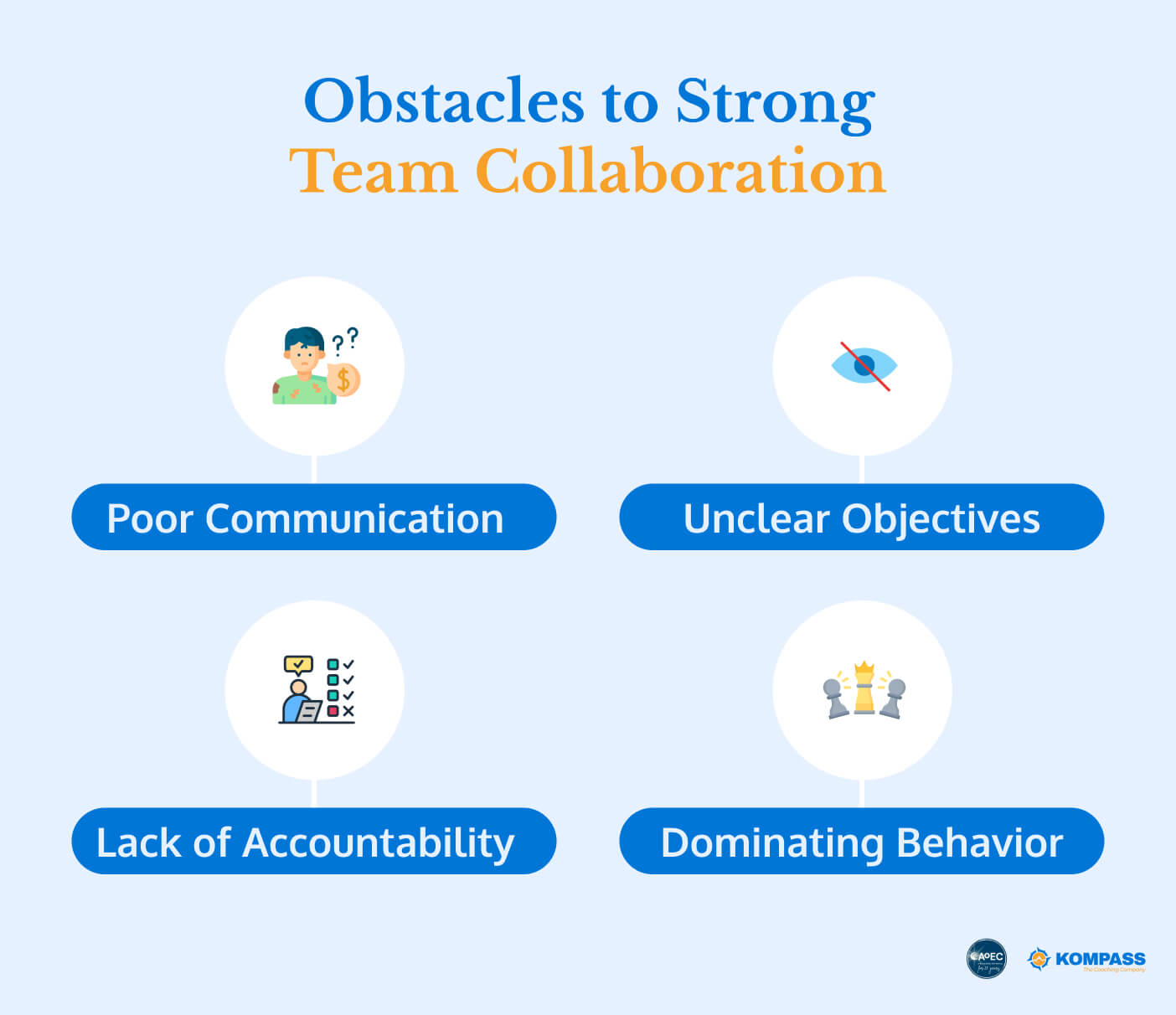
Even high-potential teams can struggle when certain obstacles get in the way. Understanding these common barriers is key to building stronger, more collaborative teams:
Poor Communication
When communication breaks down, so does progress. Vague instructions, missed updates, or a lack of active listening can lead to misunderstandings and wasted effort. Great teams keep the conversation clear, open, and consistent to ensure everyone stays on the same page.
Unclear Objectives
If no one is sure where the team is heading, it’s easy to drift off course. Without well-defined goals, even the most capable individuals may end up pulling in different directions. Clear, shared objectives give teams purpose and help everyone stay aligned.
Lack of Accountability
Teamwork only works when everyone shows up and follows through. When responsibilities are unclear or when people don’t take ownership, it can lead to delays, finger-pointing, and frustration. A culture of accountability helps teams stay reliable, focused, and respectful of one another’s contributions.
Dominating Behavior
One loud voice can silence the rest. If one person consistently takes control or shuts down discussion, others may disengage or stop contributing altogether. Effective teamwork means creating space for every voice, idea, and perspective because the best solutions rarely come from just one person.
Real-World Applications of Teamwork
Teamwork plays a pivotal role in a wide range of settings, shaping how people connect, solve problems, and achieve results:
- In the Workplace: Teamwork enhances productivity and engagement through team coaching services that strengthen collaboration.
- In Education: Students develop communication and time management skills through collaborative learning.
- In Communities: Teamwork enables volunteers and organisers to run successful events and solve shared challenges.
- In Coaching and Development: Team coaching builds trust, accountability, and aligned performance.
Frequently Asked Questions About Teamwork and Collaboration
1. What is the key difference between teamwork and group work?
While group work involves individuals working independently on separate tasks, teamwork focuses on collaboration, shared responsibility, and unified effort toward a common goal.
2. Why is teamwork essential in the workplace?
Teamwork boosts productivity, fosters creativity, and strengthens workplace culture. It helps individuals leverage each other’s strengths, improves communication, and enables impactful decision-making.
3. How can I build trust within a team?
Trust is built through consistent follow-through, transparency, and open communication. Encouraging accountability and creating a safe space for diverse perspectives also strengthens team trust.
4. What are some signs of poor teamwork?
Common signs include a lack of communication, unclear roles, low morale, missed deadlines, and dominant behaviour that stifles collaboration and input from others.
5. How can team coaching improve collaboration?
Team coaching helps align goals, improve communication, and address hidden dynamics that may hinder performance. It strengthens cohesion and supports lasting behavioural change within teams.