Maintaining motivation in a project team is one of the toughest parts of a manager’s role. Early excitement can quickly fade as deadlines draw near, challenges mount, and routine tasks take over. In an effort to keep things on track, some managers fall into the trap of micromanaging. While well-intentioned, this approach often has the opposite effect, leaving people disengaged and frustrated.
Understanding how to motivate your team is key. Motivation thrives when employees feel supported, trusted, and connected to their goals. In this blog, we’ll share 7 effective ways to keep your team engaged and performing at their best, helping to increase employee motivation and foster a healthy company culture.
What is Employee Motivation
Employee motivation refers to the inner drive that shapes how people approach their roles. When employees feel engaged, they bring energy to their work, take initiative beyond basic responsibilities, and remain committed even when challenges arise.
This mindset also fosters teamwork and promotes a more connected, goal-oriented work environment, ultimately contributing to increased motivation within the workplace.
The Key Factors That Drive Employee Motivation

Employees are more motivated when the right conditions are in place. Motivation grows strongest when they experience the following:
Purpose in Work
Employees feel more engaged when they see why their tasks matter. Recognising how their efforts support wider goals reinforces their importance within the organisation, fostering a sense of belonging and encouraging them to work harder.
Freedom of Choice
Having the flexibility to decide how tasks are carried out builds trust and ownership. This independence encourages creativity and makes employees more invested in results, which can positively influence overall productivity.
Opportunities for Growth
Chances to learn new skills and take on challenges keep work engaging. As employees progress, their confidence grows, which in turn strengthens their overall performance, leading to higher levels of contribution and innovation.
Culture of Appreciation
When efforts are acknowledged, people feel respected and valued. Consistent recognition lifts spirits and encourages continued contribution, significantly impacting employee morale and engagement.
7 Effective Ways Managers Can Motivate Employees
There are several approaches you can use to inspire and engage your team, foster loyalty and involvement within your organisation, and increase employee engagement over both the short term and long term.
1. Encourage Open Communication

Clear and open communication builds trust and is a key part of how to motivate your team, helping employees feel comfortable sharing their thoughts without hesitation. Give your team opportunities to raise ideas or concerns during meetings, listen attentively, and acknowledge their input so they know their voice matters. Soliciting employee feedback allows managers to positively influence motivation and team performance.
Being transparent as a manager is just as important. Share relevant updates about company goals, projects, or performance when appropriate. This keeps employees informed, engaged, and connected to the wider direction of the organisation.
2. Establish Clear Goals and Expectations
When employees understand what is expected of them, they can focus their efforts and see how their work contributes to the bigger picture. Without clear direction, they may feel uncertain about performance and unsure how to improve.
To set effective goals, consider using the SMART framework:
- Specific: Make goals clear and precise. Define what needs to be achieved, why it matters, and who is responsible.
- Measurable: Identify concrete criteria to track progress, such as project milestones, revenue targets, or performance indicators.
- Achievable: Ensure goals are realistic given available resources, skills, and time. Avoid setting objectives that feel unattainable.
- Relevant: Align goals with the team’s role and the organisation’s broader mission.
- Time-bound: Set clear deadlines to help employees prioritise and manage their tasks.
Provide ongoing support and feedback to encourage employees and increase motivation, ensuring they remain focused and productive.
3. Recognise and Reward Your Team

Acknowledging employees’ contributions is an essential part of motivating your team, boosting morale, and keeping them engaged. When people feel their work is valued, they are more driven to perform at their best and employees perform at a high level.
Use rewards and recognition to reinforce positive behaviours. This can include performance bonuses, personalised awards, thank-you notes, verbal praise, or celebrating milestones such as work anniversaries. Regularly showing appreciation creates a motivated, valued, and connected workforce.
4. Provide Mentoring Opportunities
Mentoring helps employees develop both professionally and personally. By connecting with experienced colleagues through mentoring or coaching sessions, mentees gain guidance on career paths, goal setting, and the skills necessary to succeed. This ongoing support encourages continuous learning and inspires employees to give their best, contributing to increasing employee engagement.
Having mentors or coaching sessions fosters a supportive workplace culture and helps increase employee motivation. Employees who can seek guidance feel more confident tackling challenges, which boosts job satisfaction and professional growth, creating an environment where they can excel.
5. Demonstrate Leadership Through Action

Leading by example sets the standard for behaviour and work ethic, playing a vital role in motivating your team and inspiring employees to give their best. Managers who model integrity, commitment, and accountability create a driven and high-performing team culture.
Effective leaders stay involved in projects, trust their team to take ownership, adapt to change, listen actively, and show empathy to understand and support their employees. These qualities foster a supportive environment that encourages collaboration, growth, and consistent performance, positively impacting motivation in the workplace.
6. Promote Employee Autonomy
Giving employees control over their work helps them take ownership and stay motivated. When they can make decisions and manage their tasks, it builds confidence and encourages them to embrace new challenges, which can significantly impact engagement and performance.
Delegate responsibilities with clear goals, expected outcomes, and guidelines. Provide space for questions and feedback, creating an open environment where employees feel comfortable sharing ideas. This combination of independence and support fosters accountability and collaboration.
7. Encourage Team Building
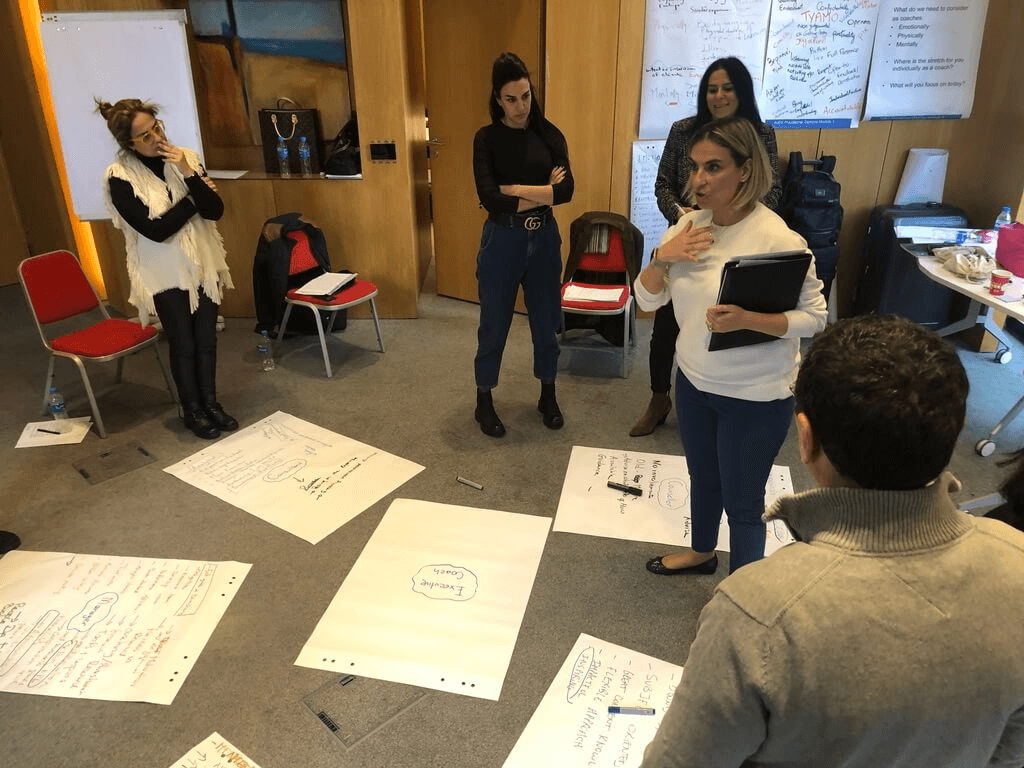
Team-building activities help employees connect and feel more engaged with their work. They strengthen cooperation, improve communication, and make it easier for members to work together effectively.
Tailor activities to your team’s needs and interests, ensuring everyone can participate. Offer a variety of experiences, such as problem-solving challenges, creative projects, outdoor adventures, or virtual activities like trivia, show-and-tell, or book clubs for remote teams.
Tailor activities to your team’s needs and interests, ensuring everyone can participate. Offer a variety of experiences, such as problem-solving challenges, creative projects, outdoor adventures, or virtual activities like trivia, show-and-tell, or book clubs for remote teams. This also creates a sense of belonging, which can increase employee motivation over time.
Build Lasting Momentum Through Motivation
Motivated employees are the engine of any successful organisation. When people feel empowered, supported, and valued, they take initiative, tackle challenges, and deliver their best work. External factors aside, prioritising employee engagement and motivation creates a dynamic, resilient workforce that drives innovation, boosts performance, and contributes to long-term organisational growth.
At Kompass Consultancy, we believe that focusing on the type of motivation, rewarding progress, and consistent support positively influences how people feel about their work and can significantly impact their performance.
Frequently Asked Questions
Why are motivated employees important?
Motivated employees drive performance, innovation, and collaboration. They help organisations reach goals, adapt to challenges, and maintain a resilient, productive workforce.
What are common signs of low employee motivation?
Signs include decreased productivity, lack of initiative, frequent absenteeism, disengagement in meetings, and a negative attitude toward work or colleagues.
What practical steps can managers take to keep their team motivated?
Managers can boost motivation by setting clear goals, recognising achievements, promoting autonomy, offering mentoring, encouraging communication, leading by example, and organising team-building activities.
How does autonomy affect work motivation?
Autonomy gives employees control over how they complete tasks, fostering ownership, confidence, creativity, and more substantial commitment to achieving results.
How do recognition and rewards impact motivation?
Recognition and rewards demonstrate to employees that their contributions matter, boosting engagement and encouraging consistent effort through praise, awards, or milestone celebrations.