
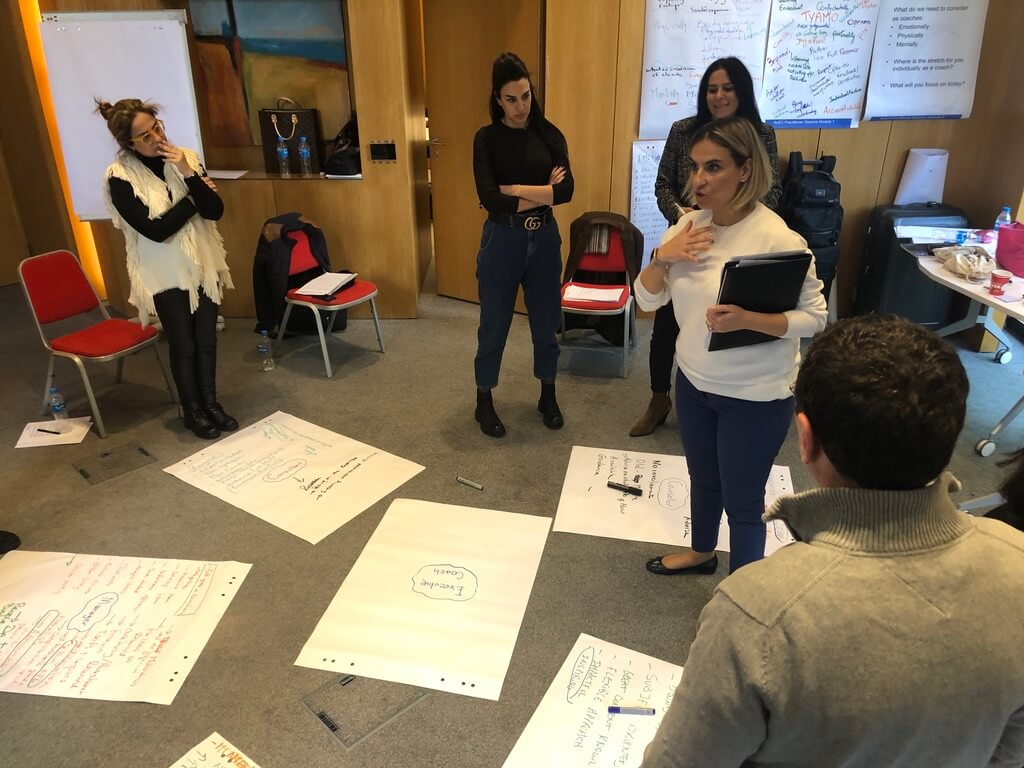
Strong teamwork makes work easier. It helps people complete tasks efficiently and share ideas more openly. But teamwork doesn’t happen on its own. It requires effort and the right environment.
Team building activities create opportunities for better communication and stronger connections. They encourage trust and improve the way people work together. A well-connected team is more engaged and productive. Without these activities, teams can struggle with collaboration and misunderstandings.
This blog will explore 10 team-building activities that can help different teams work better together. Whether you manage a new or experienced team, these activities can make a real impact.
Icebreaker Activities for Team Bonding
1. Two Truths and a Lie
Each person takes turns sharing three statements about themselves. Two statements must be true, while one is false. The rest of the group discusses and tries to guess which one is the lie.
This activity helps break the ice by encouraging people to share interesting or unexpected facts about themselves. It creates opportunities for conversation and allows team members to find common interests or surprising connections. It works well for new teams getting to know each other or existing teams looking to build stronger relationships.
2. Office Trivia Challenge
A trivia game is set up with questions related to the workplace, team members, or industry. Employees are divided into small teams, and a quizmaster reads out the questions. Teams discuss and submit their answers within a set time limit. The team with the most correct answers wins.
The trivia questions can cover topics like company history, office traditions, project milestones, or fun facts about colleagues. This activity helps employees learn more about their workplace while promoting teamwork and collaboration. It also creates a shared experience that strengthens company culture. Office trivia can be done in person using a whiteboard or buzzer system or played virtually using quiz platforms or video calls.
Communication & Collaboration Activities
3. Human Knot
Team members stand in a circle, shoulder to shoulder. Each person reaches across and grabs the hands of two different people, ensuring they are not holding hands with someone directly next to them. The goal is to untangle the “knot” without letting go of each other’s hands.
This activity requires clear communication, patience, and teamwork. Participants must work together, plan their movements, and adjust as they go. It helps improve problem-solving skills and encourages collaboration. The activity works best with groups of six to twelve people and can be done indoors or outdoors.
4. Marshmallow Challenge
Teams are given a set of materials—typically spaghetti sticks, tape, string, and a marshmallow. Their task is to build the tallest freestanding structure that can support the marshmallow on top. They have a limited amount of time to plan, construct, and test their design.
This challenge encourages creative problem-solving, teamwork, and adaptability. It helps teams practise working under pressure and adjusting their strategies as needed. Since success depends on collaboration and not just individual effort, it reinforces the importance of listening to different ideas.

Problem-Solving & Decision-Making Activities
5. Escape Room Challenge
Teams are placed in a themed room or given a set of virtual puzzles with a time limit to solve them. They must work together to find clues, solve riddles, and complete challenges to “escape” before time runs out.
This activity encourages critical thinking, problem-solving, and teamwork. Participants need to communicate clearly, delegate tasks, and think strategically under pressure. It helps teams practise making quick decisions while working towards a common goal. Escape rooms can be done at dedicated venues, set up in an office using puzzles and clues, or played online using virtual escape room platforms.
6. The Blindfold Challenge
One team member is blindfolded while others guide them through an obstacle course using only verbal instructions. The course can include simple tasks like stepping over objects, navigating around cones, or retrieving an item.
This exercise helps improve trust, communication, and active listening. The blindfolded person must rely entirely on their teammates’ guidance, which reinforces the importance of clear instructions and patience. It also highlights different communication styles and how teams can work more effectively together.
Trust-Building Activities
7. Trust Fall Exercise
One person stands with their back to a teammate or a small group. Without looking, they cross their arms over their chest and fall backwards, trusting their teammates to catch them before they hit the ground.
This activity helps build trust and strengthens team relationships. The person falling must let go of control, while the catchers must stay focused and reliable. It reinforces the idea that teamwork depends on mutual support. To ensure safety, it should be done in a controlled setting with proper instructions and a stable catching position.
8. Strength Envelopes
Each team member writes their name on an envelope. The envelopes are passed around, and colleagues write positive feedback or strengths about that person on small notes and place them inside. Once everyone has contributed, the envelopes are returned, and each person reads their messages privately.
This exercise boosts confidence and team morale. It encourages appreciation and recognition, helping team members see their strengths from others’ perspectives. It creates a positive work environment and fosters a culture of support.
Fun & Outdoor Team Building Activities
9. Scavenger Hunt
Teams receive a list of items to find or challenges to complete within a set time. The hunt can take place in an office, a park, or even online with digital tasks. Teams must work together to locate objects, solve clues, or perform small tasks to earn points.
This activity encourages teamwork, problem-solving, and creative thinking. It also adds a sense of friendly competition. The scavenger hunt can be customised with company-related themes or objectives, making it a fun way to reinforce workplace knowledge or team connections.
10. Office Olympics
Employees compete in a series of lighthearted games inspired by traditional Olympic events but adapted for the workplace. Events can include chair races, paper aeroplane throwing, or a desktop obstacle course. Teams earn points based on their performance, and the highest-scoring team wins.
This activity brings energy to the workplace and strengthens team bonds. It encourages collaboration, relieves stress, and provides a break from routine tasks. Office Olympics can be as simple or elaborate as needed, making it a flexible option for different team sizes and environments.
Creativity & Innovation Activities
11. Lego Challenge
Teams are given a set of identical Lego pieces and a prompt, such as building a bridge, a company mascot, or a futuristic workspace. With a limited time frame, they must work together to plan and construct their structure.
This challenge promotes creativity, innovation, and teamwork. It’s particularly effective for encouraging brainstorming, strategic planning, and thinking outside the box.
12. Build-a-Product Pitch
Teams brainstorm and design a mock product or service using props, paper, or digital tools. At the end, they must present their idea in a short pitch, explaining its features, audience, and benefits.
This activity builds entrepreneurial thinking and team collaboration. It sharpens presentation skills and promotes shared decision-making, making it great for both creative and strategic teams.
Resilience & Adaptability Activities
13. Survival Scenario
Teams are presented with a survival situation, such as being stranded on an island or stuck in the mountains, and a list of 10 to 15 items. Their task is to rank these items in order of importance for survival, discussing and justifying their choices as a group.
This scenario tests adaptability, logical thinking, and the ability to build consensus within a group. It’s ideal for developing effective communication under pressure and identifying various leadership and negotiation styles.
14. The Curveball Debate
Split into teams, participants are given a common topic (e.g., “Remote work is better than office work”), but halfway through the debate, they must switch sides. Each team must now argue against their original position.
This activity builds mental flexibility, empathy, and the ability to see multiple perspectives. It strengthens communication skills and encourages open-mindedness—an increasingly valuable trait in dynamic workplaces.
Reflection & Alignment Activity
15. Team Values Mapping
Each person identifies three values they believe are most important for team success (e.g., respect, transparency, innovation). These are then grouped and discussed to form a shared “Team Values Map,” which is displayed in the workplace or online.
This reflective exercise aligns team expectations, fosters mutual understanding, and helps build a values-driven culture. It’s especially useful after major organisational changes or when integrating new team members.
16. ‘What’s One Word?’ Circle
Gather the team and ask each person to describe the team or their experience working together using just one word. Go around in a circle, capturing responses on a whiteboard, sticky notes, or a shared document. Follow up with a brief open discussion around any patterns, surprises, or insights.
This simple yet powerful exercise promotes self-awareness, encourages honest reflection, and creates space for group alignment. It’s a low-pressure way to surface how people feel and identify opportunities to strengthen team culture.
Frequently Asked Questions About Team Building Activities
What’s the best time to organise team building activities in the UAE?
The best time to hold team building activities in the UAE is during the cooler months, typically from October to April. Outdoor events are more enjoyable, especially if your activity involves parks, beaches, or desert experiences. For indoor or virtual activities, timing depends more on team availability; some companies align sessions with quarterly reviews or onboarding phases.
Do we need to leave the office to run an effective team building session?
Not necessarily. Many effective activities can be run in-office with minimal setup, like problem-solving games, communication exercises, or creative workshops. That said, going offsite can help remove everyday distractions and often brings a fresh perspective, especially for longer sessions or when you’re looking to strengthen morale after a busy period.
How long should a team building session last?
Most team building sessions work well in 1 to 3 hour slots, depending on your goals. A short session is useful for icebreakers or energisers, while half-day or full-day sessions are better for deep trust-building or strategy work. For hybrid teams, shorter virtual sessions with clear objectives tend to work best.
Can we run team building activities with a remote or hybrid team?
Yes, absolutely. Many activities now have virtual-friendly formats, from online escape rooms to digital quizzes and creative collaboration tools. What matters most is selecting an activity that fits your team’s size, goals, and time zones. We often help our clients adapt traditional formats to suit remote teams, especially in regional offices spread across the UAE.
Are team building activities suitable for mixed teams of different nationalities and cultures?
Yes, and in fact, team building is an excellent way to bridge cultural differences. The UAE’s workforce is diverse, so activities should be inclusive, respectful, and focused on shared values. At Kompass, we recommend avoiding games that rely heavily on pop culture references or slang. Instead, we suggest activities that encourage collaboration, creativity, and open communication, things every team can relate to.