When teams miss targets or talented employees quietly disengage, the problem is often not skills but connection. Meetings drag, projects stall, and people operate as individuals instead of a unified team.
The solution is not expensive consultants or elaborate off-sites. It is intentional, structured team development activities that build trust, collaboration, and shared purpose. Research from Harvard Business Review shows that teams with strong psychological safety are happier, more productive, and more innovative.
Below are 20 practical activities, grouped by purpose, that you can start using today to strengthen your team and workplace culture.
Benefits of Team Development Activities
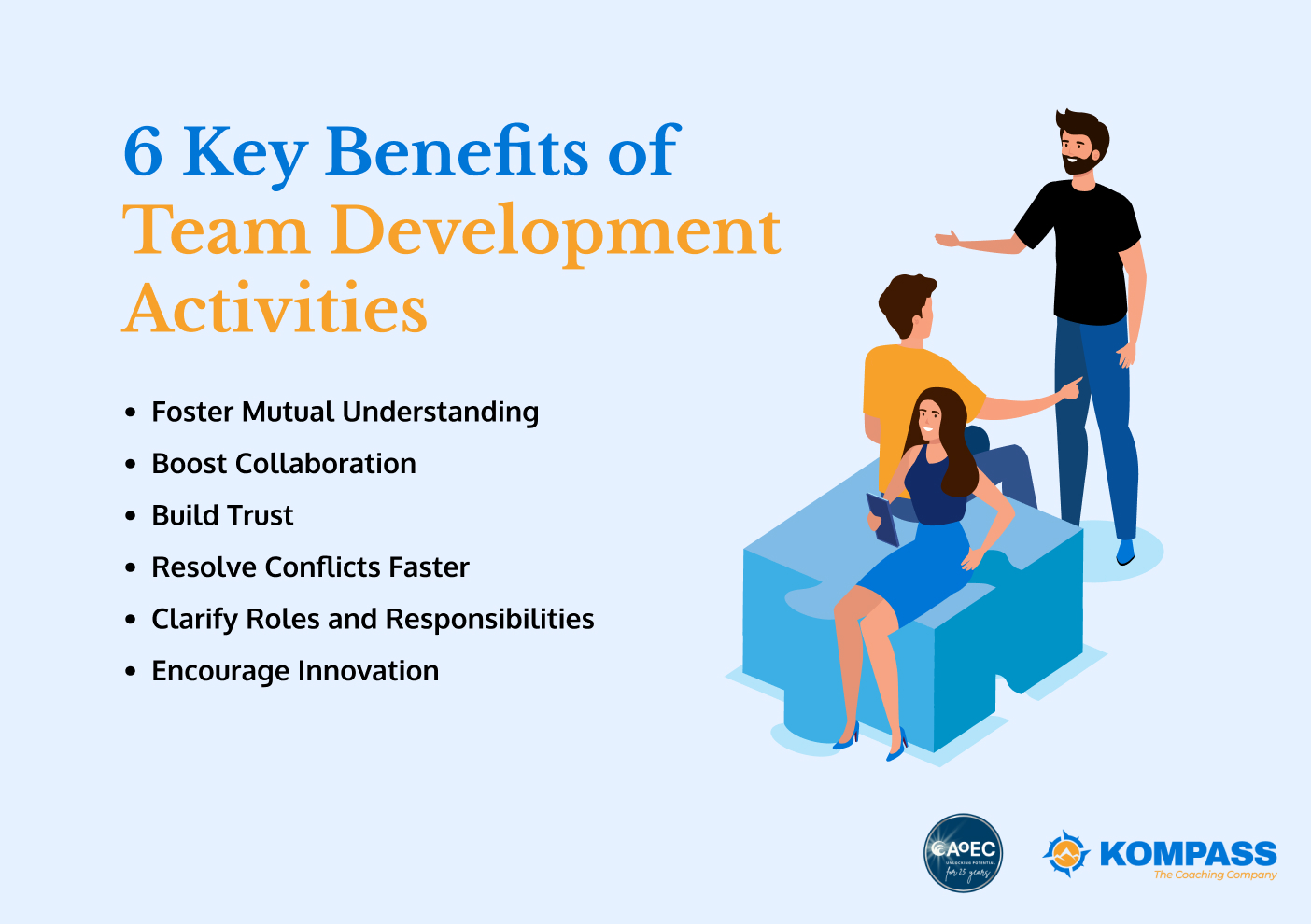
Team development is more than occasional team-building fun. It is a systematic process to improve performance, strengthen capability, and align teams with strategic goals. When done intentionally, these activities help you:
Foster Mutual Understanding
Guide your team to see how colleagues think, communicate, and solve problems. Use exercises that uncover working styles and preferences, informed by team coaching fundamentals to strengthen collaboration and insight.
Bridge Cultural Differences
Encourage respect for diverse perspectives, especially in global or multicultural teams. Activities highlighting backgrounds and values reduce friction and improve collaboration.
Accelerate Decision-Making and Resolve Conflict
Clear communication and shared understanding help teams make decisions faster and manage disagreements productively.
Clarify Roles and Responsibilities
When everyone understands how their work connects to team goals, accountability rises and performance improves.
These activities build trust, boost collaboration, and create psychological safety, turning daily interactions into opportunities for growth and stronger team cohesion.
Team Development Activities for Building Connection
Building strong relationships is the foundation of high-performing teams. These exercises help team members see each other as whole people and create trust.
1. Cultural Exchange Stories
Guide each person to share a tradition or value from their background that shapes how they work. Pair colleagues who don’t usually interact. This helps the team understand different working styles and builds multicultural awareness.
2. Two Truths and a Professional Aspiration
Have each member state two true professional facts and one aspiration, then let others guess the aspiration. Use this exercise to uncover hidden skills and create opportunities for collaboration.
3. Strength-Spotting Speed Rounds
Pair up team members and set a 60-second timer. Each person calls out one specific strength they’ve observed in their partner’s work. This action boosts recognition and highlights the team’s collective capabilities.
4. The “First Week” Reflection

Invite everyone to share one thing they wish they’d known during their first week on the team. Capture the responses to improve onboarding, knowledge transfer, and empathy within the group.
Team Development Activities for Enhanced Collaboration
Making invisible dependencies visible strengthens teamwork and accountability. These exercises clarify roles, build trust, and improve coordination, highlighting the importance of open communication across the team.
5. Workflow Mapping Canvas
Gather your team around a whiteboard and map out how work flows using sticky notes for each handoff point. Identify at least three process improvements to implement within two weeks. This exercise develops systems thinking and helps optimize workflows.
6. Delegation Poker
Use a numbered deck (1 = decide alone, 7 = full team decision) to clarify decision-making authority for different scenarios. Playing this game improves leadership capability across the team and helps calibrate autonomy appropriately.
7. Accountability Partners Check-Ins
Pair team members who don’t report to each other for weekly 15-minute check-ins. Ask them to review commitments, achievements, and support needed. This builds peer coaching skills and encourages self-management.
8. The “If You, Then I” Protocol
Have team members complete sentences like: “If you [action], then I can [deliverable].” Use this to make dependencies explicit and strengthen communication, accountability, and relational contracts across the team.
Team Development Activities for Innovation and Creativity
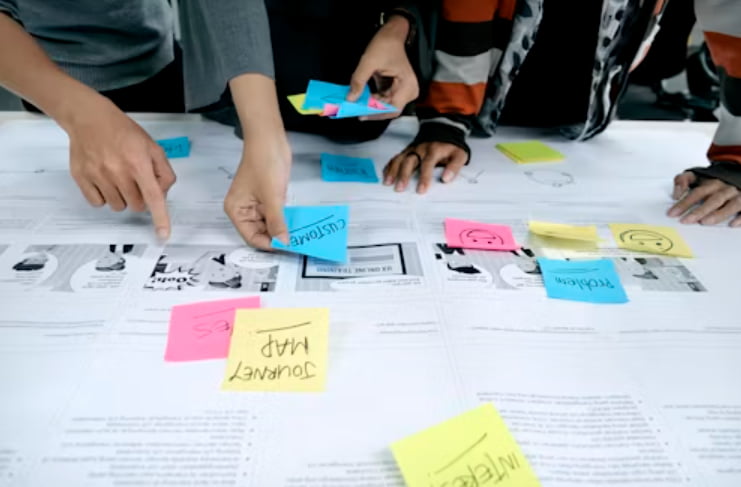
Teams that think creatively solve problems faster and adapt to challenges more effectively. These activities foster divergent thinking and collaborative ideation.
9. Reverse Brainstorming
Ask your team, “How could we guarantee failure?” and list ideas openly. Then analyse what these reveal about hidden assumptions and risks. This builds critical thinking and encourages constructive discussion.
10. LEGO Serious Play
Have team members build metaphors with LEGO bricks for challenges such as “this quarter” or “our ideal team culture.” This develops metaphorical thinking and enhances visual communication skills.
11. Constraint-Based Innovation Sprints
Challenge your team to redesign a process using strict limitations, like only paper within 30 minutes. This fosters adaptability, resourcefulness, and out-of-the-box problem-solving.
12. The “Yes, And…” Marathon
Run a 10-minute session where every contribution must start with “Yes, and…” to build on previous ideas. This strengthens collaborative ideation, improves energy in discussions, and teaches positive team interaction.
Team Development Activities for Strategising

Developing strategic thinking across the team improves alignment, decision-making, and long-term performance.
13. OKR Co-Creation Workshops
Have your team draft Objectives and Key Results together quarterly. Collaborate on priorities, metrics, and targets. This improves strategic thinking, goal-setting, and accountability.
14. Scenario Planning Simulations
Present “what if” scenarios, such as vendor closure or regulatory changes, and guide the team to plan adaptive responses. This develops resilience and anticipatory thinking.
15. Stakeholder Mapping 360
Map internal and external stakeholders on an influence-interest grid, highlighting gaps and opportunities. This strengthens systems awareness and stakeholder management skills.
16. “Stop, Start, Continue” Retrospective
After a project or quarter, facilitate structured reflection: what to stop, start, and continue, using appreciative inquiry to highlight successes. This encourages reflective practice and continuous improvement.
Team Development Activities for Innovation
Cross-functional challenges foster teamwork, creativity, and problem-solving across departments.
17. Design Thinking Hackathons
Block three hours for teams to rapidly prototype solutions using the empathise-define-ideate-prototype-test process. This builds human-centred design skills, rapid prototyping capability, and cross-functional collaboration.
18. “Shark Tank” Pitch Practice
Have teams pitch improvement ideas or solutions to a panel of leaders and receive feedback. This develops business acumen, presentation skills, and the ability to influence others effectively.
Team Development Activities for Capability Building
These exercises focus on growing both individual skills and team performance simultaneously.
19. Peer Coaching Circles
Organise triads where members rotate roles of coach, coachee, and observer using a simple GROW framework. This builds coaching skills, active listening, and powerful questioning abilities while improving team interactions, supported by team coaching practices for maximum impact.
20. “Teach-Back” Knowledge Shares
Hold monthly sessions where each team member teaches a new skill, whether technical, soft, or industry-related, to the group. This strengthens knowledge-sharing culture and develops leadership, presentation, and facilitation skills.
Tips for Remote or Hybrid Teams
Most modern organizations are not fully co-located, so adapting team development activities for remote or hybrid work is essential. Here are practical ways to make every activity effective, regardless of location:
Use Digital Collaboration Tools
Whiteboards, sticky-note apps, or shared documents can replace physical materials for exercises like Workflow Mapping or Design Thinking Hackathons.
Leverage Video for Personal Connection
Activities like Cultural Exchange Stories, Two Truths and a Professional Aspiration, or peer coaching circles are more effective when participants can see each other’s expressions.
Time-Box Sessions Thoughtfully
Remote fatigue is real. Keep sessions concise and focused, breaking longer workshops into multiple shorter meetings if needed.
Create Clear Participation Guidelines
Set expectations for active involvement, chat usage, and camera-on etiquette to ensure everyone contributes meaningfully.
Celebrate Wins Digitally
Use recognition tools, team chat shout-outs, or virtual badges to maintain engagement and motivation across locations.
Record and Share Insights
For asynchronous teams, record key takeaways from activities like retrospectives or teach-back sessions so all team members can benefit, even if they cannot join live.
By intentionally adapting activities for remote or hybrid environments, teams can maintain trust, collaboration, and innovation without the constraints of physical presence.
Best Practices for Team Development
| Best Practice | Why It Matters |
| Start with 3 activities aligned to current needs | Focused implementation beats scattered effort |
| Ensure psychological safety first | Voluntary engagement leads to genuine participation |
| Adapt for cultural context | Activities resonate across regions and teams |
| Measure development impact | Tracks engagement, performance, and skill growth |
| Leadership participation | Models continuous development and importance |
Hold regular sessions every quarter with monthly check-ins to maintain engagement without overwhelming calendars.
Building High-Performing Teams for Lasting Impact
Team development activities are not about ping-pong tables or trust falls. They are purposeful opportunities to strengthen team capabilities, boost performance, and align efforts strategically. Start with one activity that addresses your team’s most pressing need, observe the results, adjust, and expand gradually.
The disengaged employees, missed targets, or low morale you notice are not signs of failure. They are signals of untapped potential. With intentional, consistent effort and structured support, these team capabilities can be developed one thoughtful activity at a time, building a resilient, high-performing team and stronger workplace culture from within.