
Artificial intelligence in coaching has become a popular topic in boardrooms, leadership circles, and HR teams across the UAE. As organisations explore ways to improve performance, AI tools promise efficiency, quick insights, and structured support. But amid the rapid adoption, one crucial question often gets lost:
How do we keep coaching human when technology becomes part of the experience?
We support leaders, teams, and coaches who want to develop in a way that feels real, safe, and relational. This article breaks down where AI adds value and where it simply cannot replace the human touch that real coaching requires.
What is artificial intelligence in coaching?
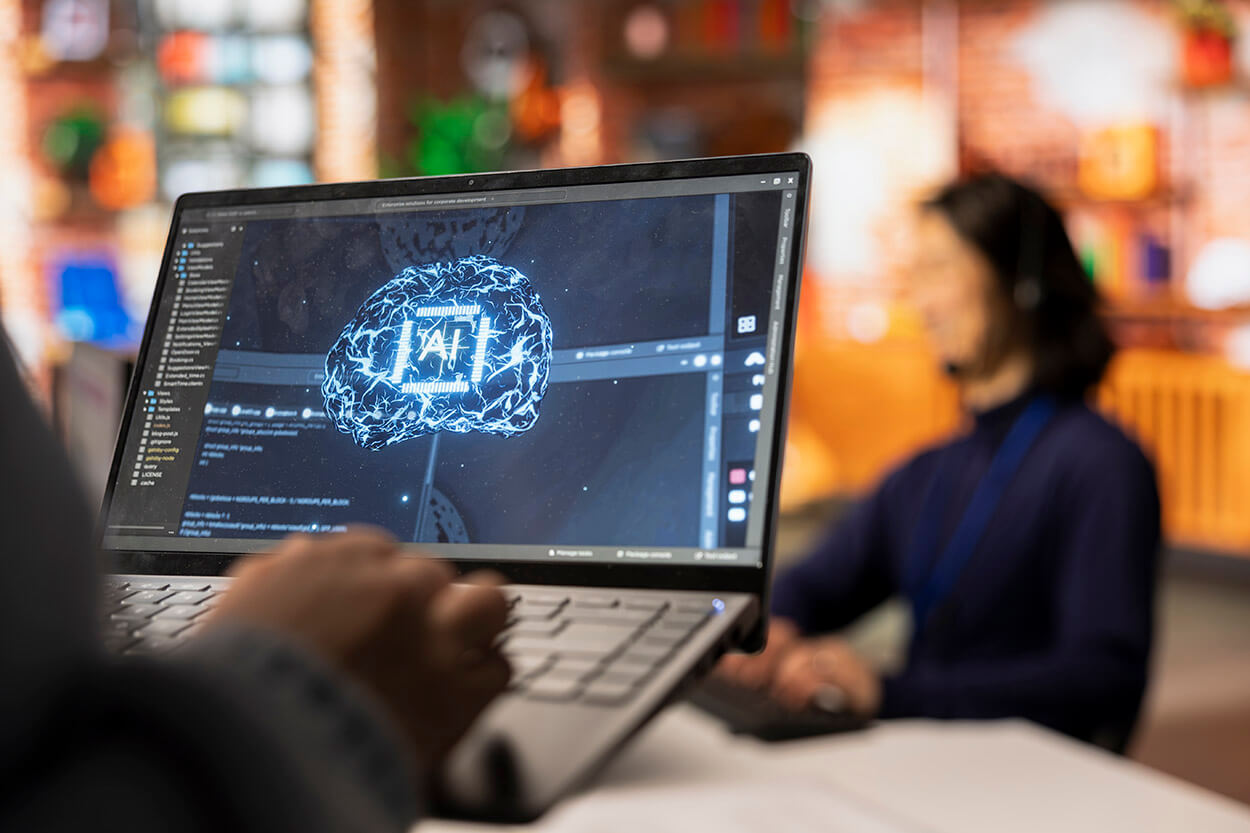
Artificial intelligence in coaching refers to digital tools that analyse behaviour, detect patterns, and offer structured feedback. These tools simulate elements of coaching, such as prompting reflection or identifying blind spots.
However, AI in coaching is not the same as having a coach.
A human coach builds trust, senses emotional shifts, and understands context, skills that come from experience and presence. AI offers data, but not depth. Insights, but not understanding.
This distinction matters because many organisations assume AI will “automate” coaching. In reality, it simply complements it.
How is AI changing the coaching landscape today?

AI has already transformed how coaching is delivered around the world and is one of the trends in this time. Businesses are using technology to:
- Analyse verbal patterns in meetings
- Provide real-time communication feedback
- Offer scenario-based practice
- Support goal-tracking
- Generate session summaries
For busy leaders in Dubai and beyond, these tools remove administrative weight and help them stay consistent with development goals.
But here is the gap most competitors overlook: organisations still need human interpretation to make sense of the insights AI produces.
Data alone does not create behaviour change. Understanding does.
What can AI do well in a coaching context?
AI tools can be genuinely helpful when used with clear boundaries. They excel at:
1. Detecting communication habit
AI can analyse speech patterns, tone, and word choice to reveal how someone communicates. This helps leaders see tendencies they may not notice themselves, like overuse of qualifiers or passive language.
2. Highlighting behavioural patterns over time
By tracking interactions across meetings or sessions, AI identifies recurring behaviours or decision-making trends. Leaders can understand which habits are helping or hindering their effectiveness.
3. Supporting micro-learning moments
AI can deliver bite-sized tips or exercises based on recent behaviour, creating small, actionable learning opportunities. These mini-interventions make skill development more manageable and continuous.
4. Providing structured reflection prompts
AI can suggest thoughtful questions to guide self-reflection, helping coachees explore challenges more deeply. This encourages insight without the need for constant coach-led prompting.
5. Offering objective, non-emotional feedback
AI gives feedback based on data, free from personal bias or emotional influence. While this is valuable for spotting trends, it requires a human coach to interpret meaning and guide next steps effectively.
These functions empower leaders with visibility into their own behaviour, something many clients find difficult to capture on their own. However, these insights are only useful when someone helps translate them into action. That is where the human coach comes in.
Where does AI fall short in coaching?

Despite its capabilities, artificial intelligence in coaching has clear limitations:
No emotional presence
AI cannot sense subtle emotions like tension, hesitation, or discomfort. Without this awareness, it cannot respond empathetically or adjust guidance in the moment.
Ethical risks
AI systems can carry biases, raise data security concerns, and compromise confidentiality if not managed carefully. Coaches must remain responsible for protecting sensitive client information.
Lack of lived experience
AI cannot draw from personal experience or share stories that build connection. It lacks the intuition and perspective that human coaches bring to navigate complex situations.
No cultural sensitivity
In diverse environments like the UAE, understanding cultural context is critical. AI cannot accurately interpret norms, values, or communication styles without human guidance.
Limited nuance
Coaching relies on silence, tone, and subtle cues that convey meaning beyond words. AI cannot pick up on these layers, which are often where real breakthroughs happen.
Because of these limits, AI cannot hold space for vulnerability or facilitate deep transformation. Those moments require a human coach’s presence, attunement, and trust.
Why is the human touch still the core of effective coaching?
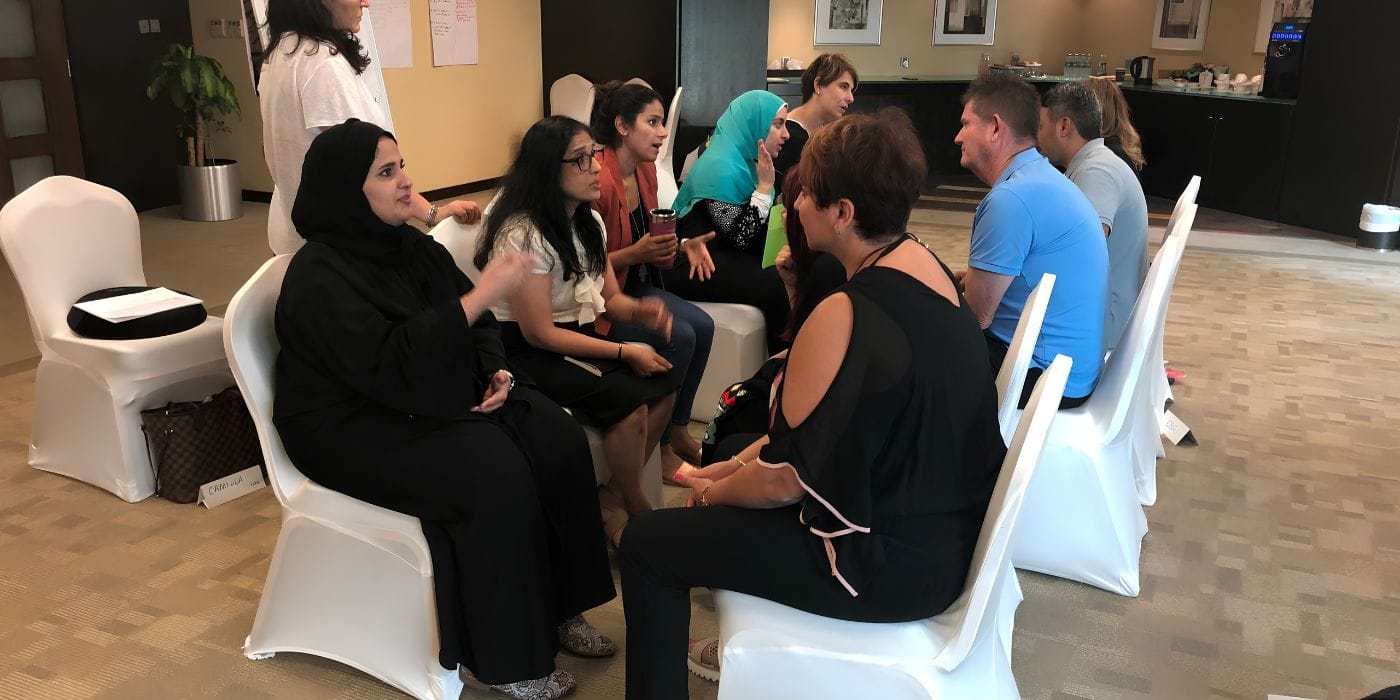
Real coaching is a relationship. It is a process where two people explore meaning, patterns, and possibilities together.
Humans bring what AI cannot:
- Empathy
- Intuition
- Presence
- Emotional understanding
- Cultural awareness
- Ability to challenge constructively
This is especially important in coaching supervision, where the relationship matters even more.
Leila explains this beautifully in her video: “There’s no room for AI in coaching supervision… not yet, anyway.” Her key point is simple: supervision is deeply relational, and technology cannot replace that. You can watch the explanation here through her post: why there’s no room for AI in coaching supervision.
Her message aligns with what we see every day: meaningful development comes from conversations, real ones.
Can AI and human coaches work together without losing authenticity?

Yes, when used thoughtfully, AI can complement rather than replace human coaching. In practice, technology can provide insights through data analysis, highlight patterns, or help track progress over time. The human coach then interprets these insights, adds context, and supports reflection, ensuring learning is meaningful and personalised.
AI can assist with reminders or summarising sessions, but the coach remains responsible for integrating insights into real behaviour change, guiding emotional processing, and maintaining accountability. By keeping AI in its role as a supportive tool, organisations and coaches can enhance efficiency while preserving the relational depth that makes coaching truly transformative.
How should coaches use AI ethically without compromising safety?
As AI adoption increases, ethical practice becomes essential. Coaches should:
- Be transparent about tool use
- Protect client data at all times
- Avoid tools that store sensitive personal content
- Ensure AI-generated insights are validated against human judgement
- Follow guidelines from global bodies like the International Coaching Federation
The ICF has published guidance that can help practitioners navigate these issues. You can read their stance here via the ICF official resource. Clear boundaries reassure clients, protect relationships, and maintain trust.
What skills will the future coach need in an AI-Powered World?
Coaches will not be replaced by AI, but they will be expected to evolve. Future-ready coaches will focus on:
- Emotional intelligence
- Advanced listening and dialogue skills
- Cultural and systemic awareness
- Ability to interpret data meaningfully
- Deep relational presence
- Comfort integrating technology ethically
AI will raise expectations, not lower them.
What does the future look like for AI and coaching?

AI will continue to improve. Tools will become smarter, faster, and more intuitive. However, they will not replace human coaches or supervisors.
Instead, the future will be hybrid: technology provides structure, while humans provide meaning. The organisations that thrive will be those that balance both.
How can you start using AI in coaching without losing your humanity?
Here are simple steps to begin:
- Identify one area where AI would reduce admin or support consistency.
- Use tools that respect privacy and align with your culture.
- Keep all emotionally sensitive conversations human-led.
- Use AI for insights, not for decisions.
- Pair technology with supervision to stay grounded and ethical.
Start small. Stay human. Let AI support, not shape, the coaching journey.
Balancing AI and Human Connection in Coaching
Artificial intelligence in coaching offers exciting possibilities, from tracking patterns to providing structured reflection. Yet, as we’ve seen, technology cannot replace the empathy, intuition, and relational depth that human coaches bring.
The most effective coaching experiences strike a balance: leveraging AI for insight and efficiency while keeping humans at the heart of transformation.
For leaders and organisations in the UAE and beyond, the key is thoughtful integration: using AI as a supportive tool, not a substitute, and always prioritising trust, presence, and meaningful connection. By maintaining this balance, coaching can remain both innovative and profoundly human.
FAQs:
Can AI replace a human coach entirely?
No. AI can provide insights, track patterns, and prompt reflection, but it cannot replicate empathy, intuition, or relational trust, which are critical for meaningful coaching outcomes.
How can organisations safely introduce AI into coaching programmes?
Start small by using AI for administrative tasks or progress tracking, ensure data privacy, and always have a human coach interpret insights and guide development.
Will AI in coaching reduce the cost of leadership development?
It can make certain tasks more efficient, but human coaching remains essential for transformation. The goal is not just cost reduction but enhancing the quality and impact of coaching.
How can coaches maintain ethical standards when using AI tools?
Coaches should be transparent about AI use, secure client data, validate AI-generated insights, and ensure that all sensitive conversations remain human-led.
What types of AI tools are most useful for coaching?
Tools that analyse behavioural patterns, provide reflection prompts, track progress, or summarise sessions are most effective when paired with a human coach to interpret and integrate insights.