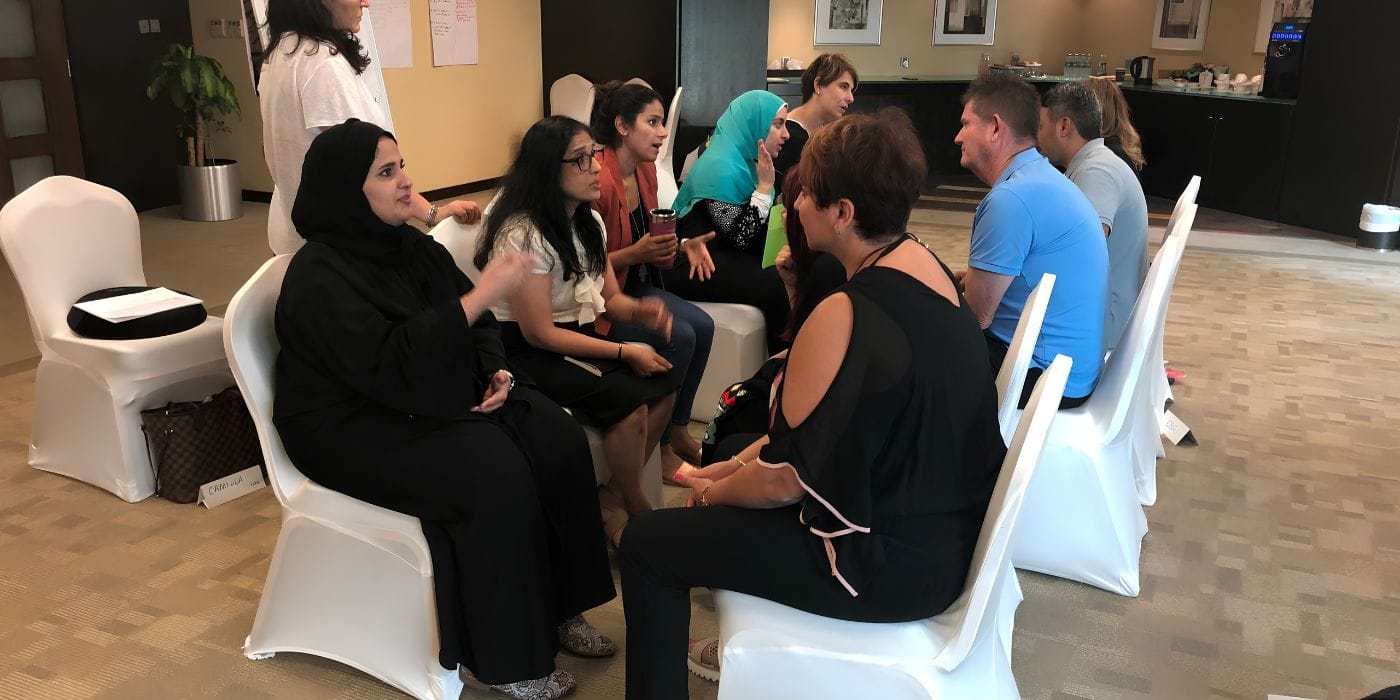


A code of ethics serves as a foundational guide for coaches, outlining the standards and principles that support ethical decision-making and responsible practice.
In a growing industry where many individuals may call themselves coaches without formal training or accreditation, having a clear ethical framework is more important than ever. It not only protects clients but also upholds the integrity and credibility of the profession.
In this article, we’ll explore what a coaching code of ethics is, why it matters, and how it shapes the client-coach relationship. We’ll also look at real-world examples of ethical dilemmas coaches may encounter and how a strong ethical foundation helps them navigate them with confidence and clarity.
What Is a Coaching Code of Ethics?
A coaching code of ethics is a set of professional standards that guides how coaches should behave in their work with clients. It defines the values, responsibilities, and expectations that guide coaches in acting with integrity, professionalism, and respect.
Unlike a code of conduct, which outlines specific rules of behavior, a code of ethics focuses more on guiding principles, such as confidentiality, fairness, and professionalism, that help coaches navigate complex situations where the “right” decision may not be immediately clear.
This means that coaches voluntarily commit to ethical standards set by professional bodies such as the International Coaching Federation (ICF), the European Mentoring and Coaching Council (EMCC), or other recognized organizations.
These bodies provide ethical frameworks, credentialing processes, and ongoing professional development to ensure that coaching remains a responsible and respected profession.
Key Elements of a Coaching Code of Ethics
Most coaching codes of ethics include a core set of values and responsibilities that all professional coaches are expected to follow. These typically include:
- Confidentiality: Keeping client information private and only sharing it with consent or when legally required.
- Professional Boundaries: Maintaining a clear, respectful coach-client relationship and avoiding conflicts of interest.
- Competence: Working within one’s qualifications and continuously developing skills and knowledge.
- Integrity: Being honest, transparent, and fair in all coaching interactions.
- Respect: Valuing the dignity, autonomy, and diversity of every client.
- Informed Consent and Contracting: Clearly agreeing on the coaching process, goals, roles, and responsibilities before beginning the engagement.
- Accountability: Taking responsibility for one’s actions and adhering to professional standards at all times.
Together, these elements help ensure that coaching is practiced in a way that supports the client’s well-being while upholding the profession’s credibility.

Why Is the Coaching Code of Ethics Important?
A clear and consistently applied code of ethics is essential to the credibility and effectiveness of coaching. It provides a professional foundation that not only guides individual coaches in their practice but also protects the broader coaching profession.
By adhering to an ethical code, coaches demonstrate a commitment to responsible behavior, client well-being, and professional integrity. This is especially important in an unregulated industry, where the absence of formal legal oversight makes ethical self-governance critical.
Impact on Coaches
A coaching code of ethics supports coaches by offering a reliable framework for decision-making, especially in challenging or unclear situations. It also contributes to their professional development and credibility.
Key benefits for coaches include:
- Clarity and Confidence: Provides clear principles to guide decision-making in ethical dilemmas.
- Professional Integrity: Helps coaches align their actions with their values and maintain consistency in behavior.
- Reputation and Trust: Builds credibility with clients, peers, and stakeholders.
- Risk Management: Reduces the risk of conflicts or misconduct by promoting responsible practice.
- Ongoing Growth: Encourages continuous learning and ethical reflection, especially through supervision and training.
Impact on Clients
From the client’s perspective, ethical coaching creates a safe, respectful, and empowering environment. When clients trust that their coach is working within an ethical framework, they’re more likely to engage fully and benefit from the process.
Key benefits for clients include:
- Psychological Safety: Clients feel secure sharing sensitive information, knowing it will be treated confidentially and with care.
- Respect and Autonomy: Ethical coaching honors the client’s values, decisions, and unique identity.
- Clarity and Transparency: Clear agreements and boundaries help manage expectations and reduce misunderstandings.
- Fairness and Inclusion: Clients are treated impartially and with respect, regardless of background or identity.
- Trust in the Process: Knowing the coach adheres to professional standards builds confidence in the coaching relationship.

What Are Some Common Ethical Dilemmas in Coaching?
Even with a strong ethical foundation, coaches will inevitably encounter situations that require careful judgment. Ethical dilemmas often arise when competing values, unclear boundaries, or pressure from external parties are present. These scenarios don’t always have a clear right or wrong answer, which is why ethical awareness, supervision, and professional standards are so important.
Below are some common ethical dilemmas coaches may face in their practice, along with specific examples to illustrate each one.
Balancing Client Needs and Sponsor Expectations
In organizational coaching, the coach is often hired by a sponsor (e.g., an HR leader or manager) but works directly with the employee (the client). This can create tension between maintaining the client’s confidentiality and meeting the sponsor’s expectations for updates.
Example:
After three sessions, the HR director asks the coach for details about the coachee’s leadership challenges. The client, however, expects full confidentiality. The coach must navigate how much can be ethically shared and whether this was clarified in the original agreement.
Ethical focus: Transparency, contracting, confidentiality, and clarity on who the coach is ultimately accountable to.
Handling Confidentiality and Risk Disclosure
Confidentiality is a cornerstone of coaching. However, it can be ethically challenged when a client shares something that poses a risk to themselves or others.
Example:
A client reveals feelings of depression and mentions they’ve had thoughts of self-harm. While the coach is not a therapist, they are now aware of a serious issue that may require external support. Confidentiality may need to be broken if there is an immediate risk.
Ethical focus: Duty of care, legal obligations, and knowing when to prioritize safety over confidentiality.
Managing Dual Relationships
Dual relationships occur when the coach has another relationship with the client outside of coaching, such as being friends, family members, colleagues, or business partners. These relationships can affect objectivity and create conflicts of interest.
Example:
A coach is asked to support a friend’s startup by coaching their leadership team. One of the team members is also someone the coach knows socially. This overlap could compromise neutrality and confidentiality, especially in group settings.
Ethical focus: Objectivity, boundaries, avoiding conflicts of interest.
Navigating Cultural and Value Differences
Clients and coaches often come from diverse backgrounds and may hold different beliefs, values, or communication styles. Ethical coaching requires cultural sensitivity and the ability to remain nonjudgmental.
Example:
A coach feels discomfort when a client expresses strong views about gender roles that clash with the coach’s personal beliefs. Rather than debating or challenging the client’s values, the coach must stay focused on the client’s goals while assessing whether the relationship can continue professionally.
Ethical focus: Respect, inclusion, cultural competence, and managing personal bias.
Preventing Dependency or Misuse of Power
Coaching is meant to empower clients to find their own answers, not to create reliance on the coach. However, some clients may begin to seek constant validation or look to the coach for direction, which can create ethical tension.
Example:
A client begins every session asking the coach, “What should I do?” and becomes hesitant to make decisions without their input. The coach notices a pattern of over-reliance and must re-establish boundaries that promote client autonomy.
Ethical focus: Empowerment, clear role definition, avoiding advice-giving.
Addressing Contractual and Commitment Issues
Ethical dilemmas also arise around the coaching agreement itself, such as vague contracts, disengaged clients, or disputes over payment or scope.
Example:
A client frequently cancels sessions at the last minute and is not fully engaging in the process. The coach is unsure whether to continue the relationship, charge for missed sessions, or revise the agreement.
Ethical focus: Clear contracting, accountability, mutual respect, and knowing when to end a coaching engagement.

Frequently Asked Questions
What’s the difference between a coaching code of ethics and a code of conduct?
A code of ethics outlines the core values and guiding principles that shape professional behavior in coaching (e.g., integrity, respect, confidentiality). A code of conduct is more specific; it includes concrete rules or expectations that coaches must follow in their day-to-day practice. Think of the ethics as the “why” and the conduct as the “how.”
What happens if a coach violates the code of ethics?
If a coach is a member of a professional body such as the ICF or EMCC, a violation can result in formal complaints, investigations, sanctions, or even the loss of credentials. For independent or unaccredited coaches, there may be no official consequences, which is why working with credentialed professionals is so important.
Is coaching regulated by law?
In most countries, coaching is not legally regulated. This means anyone can call themselves a coach without formal qualifications. However, many professional coaches choose to be certified by reputable bodies (such as ICF or EMCC) that enforce ethical standards through self-regulation.
Are ethics mandatory for ICF certification?
Yes. The ICF Code of Ethics is required for all ICF-accredited training programs and must be followed by all credentialed coaches. Coaches must also complete ethics-related continuing education to renew their certification.
How can I learn more about coaching ethics?
You can explore the official codes of ethics and resources from leading organizations, such as the ICF Code of Ethics, EMCC Global Code of Ethics, and the Association for Coaching Global Code of Ethics. Additionally, engaging in coaching supervision, ethics training, and peer discussions is an excellent way to deepen your understanding and application of ethics in practice.