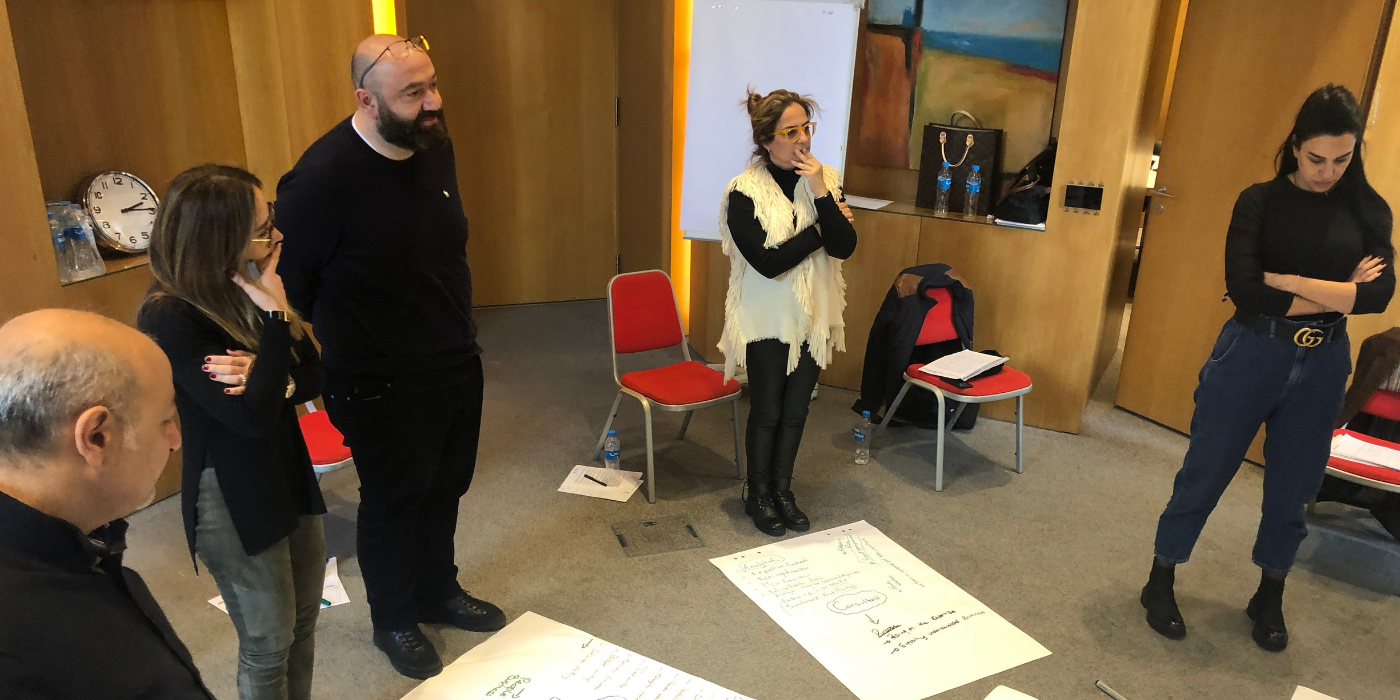


More organisations are turning to executive mentoring as a way to strengthen career development. By pairing seasoned leaders with colleagues who are still developing their skills, mentoring helps individuals grow into new roles and prepare for greater responsibilities.
From first-time managers to future executives, the benefits apply across all levels. In this article, we’ll explore how executive mentoring supports leaders in navigating challenges, building confidence, and preparing for what’s ahead.
What is Executive Mentoring
Executive mentoring is a professional partnership that connects emerging leaders with seasoned mentors who share guidance, perspective, and real-world insights. Rather than focusing on everyday tasks, mentors offer strategic advice, constructive feedback, and a trusted space for discussing challenges and opportunities.
This support helps mentees build confidence, make informed decisions, and strengthen the leadership skills needed to succeed in complex situations.
5 Key Benefits of Executive Mentoring for Mentees
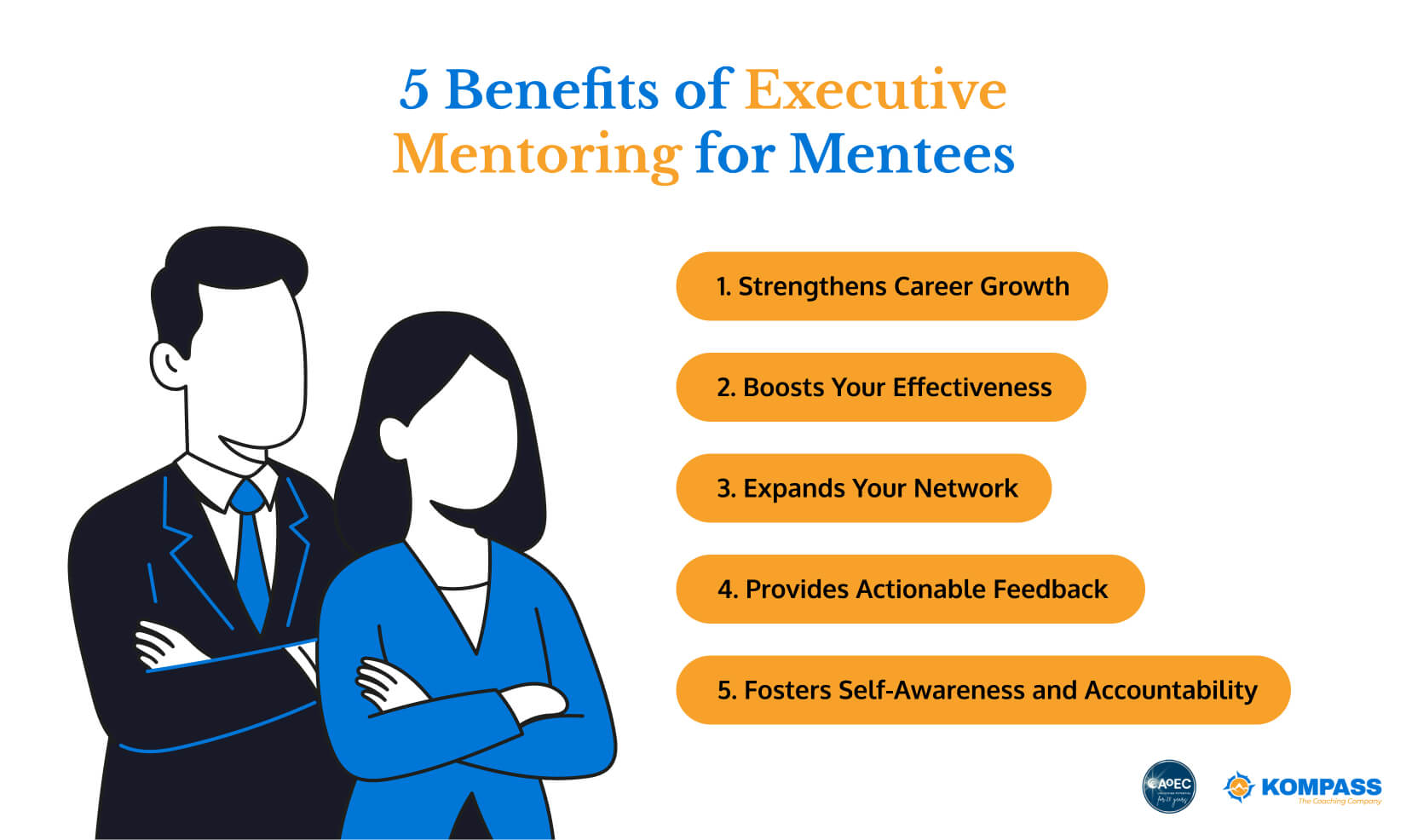
Executive mentoring offers a range of advantages that can shape both personal and professional growth. Some of the most valuable include:
1. Strengthens Your Professional Growth
Developing new skills is essential for career advancement, and executive mentoring offers a practical approach to achieving this goal. Unlike traditional courses or training programs that can be costly and time-intensive, mentoring delivers learning directly in the workplace.
It enables mentees to expand their knowledge, refine their abilities, and gain real-world insights while continuing in their current role.
2. Enhances Your Effectiveness

While formal training builds knowledge, it doesn’t always translate into stronger results at work. Executive mentoring focuses on applying that knowledge in real-world situations, helping you tackle challenges with confidence and efficiency.
By drawing on a mentor’s experience, you gain practical approaches to problem-solving, decision-making, and leadership that directly impact your performance. This targeted support not only sharpens how you work but also helps you deliver greater value in your role.
3. Builds Valuable Connections
In today’s workplace, who you know can be just as important as what you know. Through executive mentoring, you can build genuine connections with experienced leaders and professionals who can offer valuable insight and support.
Beyond your direct mentor, you gain access to their network, creating opportunities to connect with influential people who can support your career journey. These connections not only broaden your perspective but can also play a key role in future opportunities and advancement.
4. Offers Constructive Evaluation

Progress is difficult without clear input on what’s working and what needs improvement. Executive mentoring offers a steady flow of constructive feedback, giving you an honest view of both strengths to build on and gaps to address.
Having this perspective from an experienced leader helps you focus your efforts, refine your approach, and grow with confidence.
5. Encourages Self-Awareness and Accountability
Strong leadership isn’t just about managing others. It also requires understanding yourself. Many leaders, whether just stepping into the role or experienced in guiding teams, face moments of self-doubt or question their own abilities.
Executive mentoring provides a safe space for reflection, helping mentees recognise their strengths, blind spots, and overall impact. This self-awareness fosters accountability, enabling leaders to take ownership of their actions and grow into more confident decision-makers.
What to Look for in a Mentor

Finding the right mentor within an organisation can sometimes feel daunting. When exploring executive mentoring for your team, here are the top qualities to consider:
Builds Personal Connection
A strong mentoring relationship depends on trust and rapport. When there’s genuine comfort and mutual respect, open and honest conversations are much more likely to happen.
Cultivates Growth
Growth takes effort from both sides. A mentee must be willing to put in the work, while a mentor should be equally invested in providing guidance and support throughout the journey.
Values Industry Insight
The best mentors bring real-world knowledge and expertise from their own leadership paths. Having navigated similar challenges, they can offer wisdom that’s both practical and meaningful.
Unlock Leadership Potential Through Executive Mentoring
Executive mentoring opens doors for leaders to explore new approaches, embrace challenges with clarity, and broaden their strategic thinking. It also helps them build confidence, make better decisions, and cultivate meaningful relationships that support long-term success.
We at Kompass Consultancy recognise how mentoring transforms potential into performance. By connecting emerging leaders with experienced guides, organisations can nurture talent and build a resilient leadership pipeline for the future.
Frequently Asked Questions
Who can benefit from executive mentoring?
Leaders at all levels, from first-time managers to senior executives, can benefit from executive mentoring to navigate challenges, enhance performance, and grow professionally.
How does executive mentoring support career growth?
Mentoring helps leaders acquire practical skills, expand their professional networks, receive actionable feedback, and develop the self-awareness necessary to assume higher responsibilities.
How do organisations implement executive mentoring programs?
Organisations typically match mentees with experienced leaders, set clear goals, provide guidance on meeting frequency, and track progress to maximise development outcomes.
How do I find the right mentor to guide my professional growth and career development?
Look for someone with relevant experience, strong communication skills, a willingness to invest time, and the ability to offer guidance aligned with your career goals.
How do I prepare for a mentoring session?
Come with specific questions, challenges, or goals. Reflect on recent experiences, identify areas where guidance is needed, and be ready to discuss actionable steps.