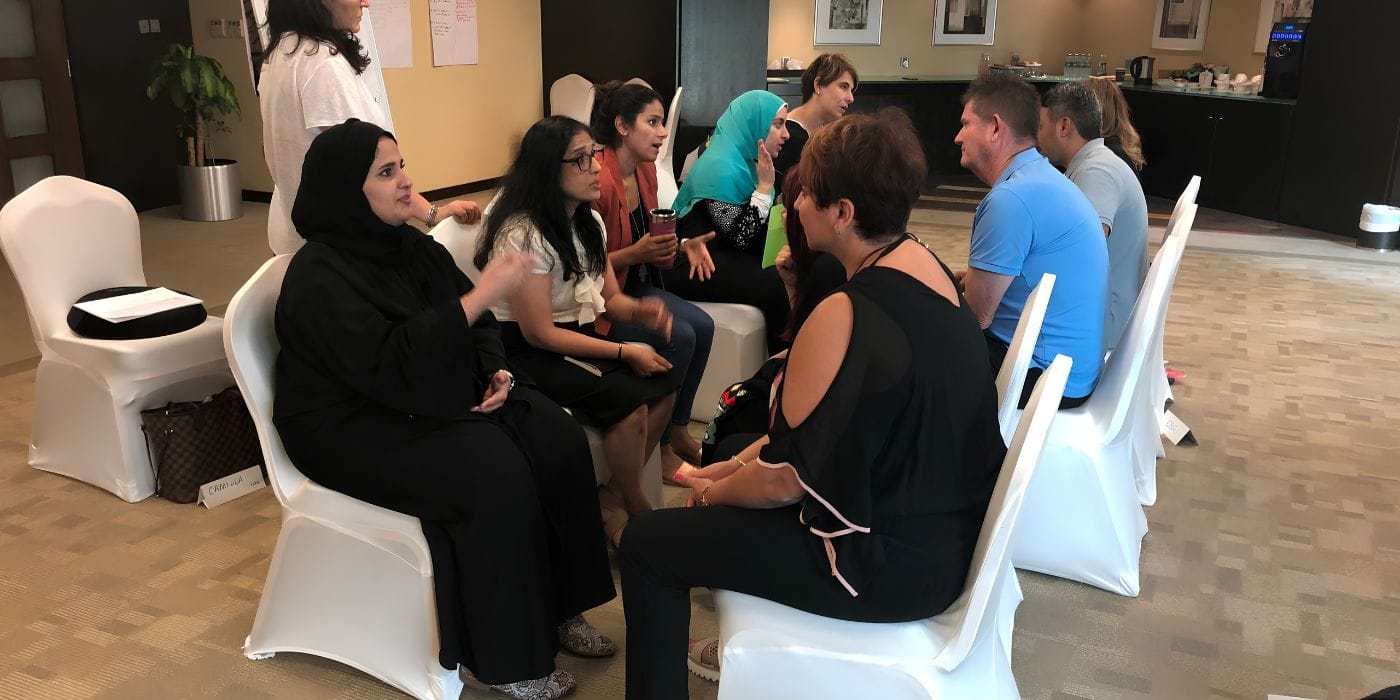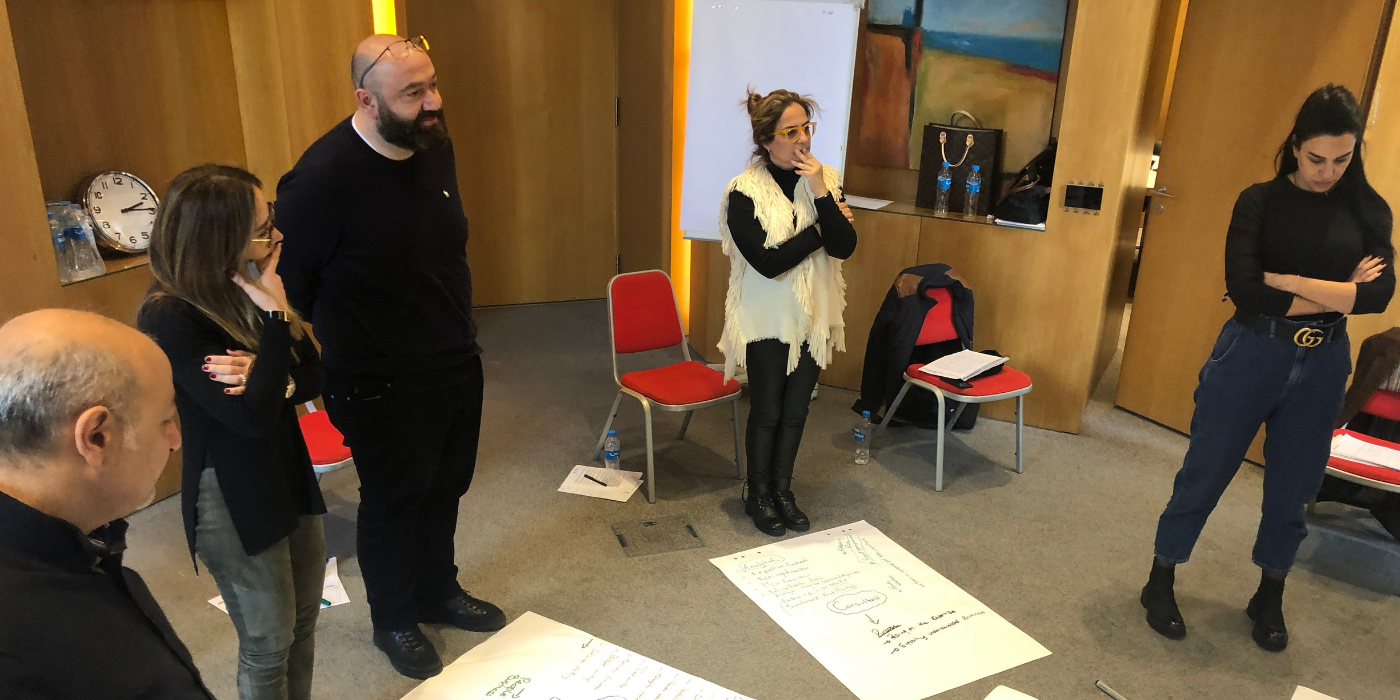


Running a coaching practice today is increasingly demanding. You are regularly holding space for conversations that are emotionally complex, ethically layered and professionally consequential.
Those who sustain both the quality of their work and their wellbeing over time are rarely the ones who go it alone. They build in structured reflection, with coaching supervision at the centre of that professional rhythm.
Below, we explore what supervision is, why it matters and how it supports you in navigating the unique cultural complexities of the UAE and the wider Middle East.
What is Coaching Supervision?
Coaching supervision is a structured, reflective space where coaches work with a trained supervisor to examine their practice, explore professional challenges, and grow with genuine depth and intention. It supports coaches not just in what they do, but in how they think, feel, and show up in their work.
Coaching supervision is ideal for coaches who want to improve their practice and build stronger, more effective client relationships.
It is not training, therapy or evaluation. Instead, it offers a consistent space for reflection, where you can examine your work with greater depth and awareness. Beyond personal growth, it is a formal pillar of the profession and a continuing professional development (CPD) activity recognised by major global bodies like the ICF, EMCC and AC. Hours completed within this framework count toward the accreditation applications and credential renewals required for your professional advancement.

Coaching, Mentor Coaching, and Supervision: Understanding the Difference
If you are building your coaching practice, you will likely encounter all three of these terms. They are related but distinct, and confusing them can mean investing in the wrong kind of support at the wrong time.
While coaching is what you offer your clients, mentor coaching focuses specifically on sharpening your coaching competencies, usually in preparation for an ICF credential. This practice of supervision is something different altogether: it is a reflective space to examine your overall practice, focusing on who you are as a coach, how you are showing up and what may be shaping your decisions without your awareness.
The distinctions become clearer when viewed side by side.
| Aspect | Coaching | Mentor Coaching | Coaching Supervision |
| Focus | Client goals and outcomes | Coaching competencies and skill development | Reflecting on practice, mindset, and ethical awareness |
| Purpose | Support client growth | Improve coaching techniques | Increase self-awareness and explore coaching impact |
| Who it is for | Clients | Coaches seeking credential feedback | Coaches wanting to reflect, grow, and sustain quality |
| ICF relevance | Required for client delivery | Required for initial ICF credential applications | Counts towards ICF credential renewal (up to 10 hours) |
| Conversation style | Goal-oriented, forward-looking | Feedback-based, competency-focused | Reflective, explorative, centred on the coach |
| Typical setting | Coach and client | Coach and mentor coach | Coach and trained supervisor (1:1, group, or peer) |
The Three Core Functions of Coaching Supervision
A widely used framework from Peter Hawkins Inskipp and Peter Proctor explains coaching supervision through three core functions. Together, they cover the key dimensions of professional growth and support.
Formative: Learning And Development
The formative aspect focuses on your ongoing growth and capability. It provides a space to reflect on your coaching approach, explore what worked or what might be improved and build on your existing strengths. This function helps coaches, including those specializing as a career coach, develop their unique style with greater intention over time.
Normative: Standards And Ethics
This dimension is about professional accountability. It allows you to explore complex ethical questions around boundaries, confidentiality and professional standards. By staying aligned with the requirements of the ICF and EMCC, the normative function ensures your practice remains grounded and safe for every client.
Restorative: Wellbeing And Resilience
Coaching is rewarding but can be emotionally demanding. The restorative function provides a supported space to process challenging cases, reducing the risk of stress and preventing burnout. It is an essential part of maintaining the personal resilience needed to show up fully for your clients.
These functions often overlap in practice, with a single conversation addressing development, ethics, and wellbeing at the same time.
Why Coaches Need Supervision And What It Solves
Coaching can be a solitary profession. Without structured support, it is easy to find yourself navigating complex situations without a partner to think alongside.
This becomes particularly valuable in the moments that are harder to navigate alone:
- Uncertainty: Feeling unsure about a client’s direction or the true impact of a session.
- Emotional weight: Managing the internal load that follows heavy or complex conversations.
- Ethics and boundaries: Balancing organisational expectations with the client’s interests and maintaining professional confidentiality.
- Self-awareness: Identifying personal patterns or self-doubt that may be affecting your presence.
Many coaches find that this practice brings a specific sense of relief. There is a significant difference between carrying professional weight in isolation and having a trained supervisor help you make sense of it.
The Professional Advantages Of This Practice
Over time, this practice moves beyond immediate problem-solving and begins to shape how you think, respond and grow as a coach.
Greater Self-Awareness And Resilience
This environment helps you recognise patterns in your coaching and understand how your thinking is shaped in the moment. Working through these insights consistently builds resilience and allows you to return to your work with greater clarity.
Enhanced Objectivity
When working closely with a client, it is easy to become caught up in the details. A supervisor helps create productive distance, allowing you to step back and explore approaches you might not have considered from the inside.

Ethical Clarity And Accountability
This practice provides a dedicated space to pause and reflect on the ethical dimensions of your work. Addressing a professional boundary here before it escalates ensures your practice remains aligned with the standards set by the ICF, EMCC and AC.
Confidence In Complex Situations
Clients often bring unexpected or emotionally charged topics to the table. Having a space to test your thinking in advance allows you to develop a grounded sense of how to respond, ensuring you remain prepared rather than reactive.
Sustained Wellbeing
The emotional demands of coaching are real. Having a place to process what you carry and restore your energy is essential for maintaining the presence that great coaching requires. For internal coaches navigating organisational politics, this support is a professional necessity.
ICF Credential Renewal
For those renewing an ICF credential, up to 10 hours of supervision can be applied directly toward the required Continuing Coach Education (CCE) hours. For coaches pursuing the Advanced Certification in Team Coaching (ACTC), it is a core requirement.
Do Internal Coaches Need Supervision Too?
The short answer is yes, and in many ways, you face greater complexity as an internal coach than those working independently. Operating within an organisation means navigating blurred confidentiality, organisational politics and competing stakeholder expectations. Conflicts of interest are not occasional; they are a consistent part of your role.
Without structured support, you can feel isolated or uncertain about where ethical boundaries lie. This practice provides the grounding you need to stay effective, aligned and properly supported within your professional environment.
Supervision and Cross-Cultural Coaching in the Middle East
As a coach working in the UAE or across the Middle East, the cultural dimension adds a layer of complexity that supervision is well placed to support. When you work in a region that brings together professionals from dozens of nationalities, communication norms and cultural frameworks inevitably shape your coaching relationships.
This environment allows you to explore personal biases and surface assumptions you may not be aware of. In a market as diverse as ours, investing in your cultural self-awareness is one of the most important steps you can take to strengthen the quality and depth of your work.

When Should You Begin Coaching Supervision?
A common misconception is that you should only seek this support once you have years of experience or when something has gone wrong. In reality, the opposite is true. The most effective time to begin is early, while you are still building your confidence and establishing your professional identity. Starting early allows you to build reflective habits before a full caseload makes reflection harder to prioritise.
However, this practice remains valuable at every stage. Experienced coaches use it to refine advanced skills and prevent the blind spots that can develop quietly over years of independent work. You might consider beginning when:
- You are newly certified and want to build professional grounding
- You are managing an emotionally demanding caseload
- You are operating as an internal coach
- You are working toward or renewing an ICF credential
- You want to work with greater ethical clarity and self-awareness
The right time is not when something goes wrong. It is when you want to ensure that it does not.
Choosing the Right Coach Supervisor
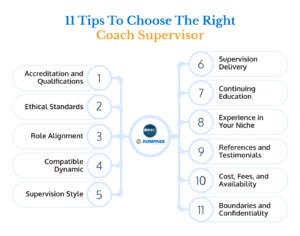
The quality of the supervisory relationship directly impacts the depth of your growth. When evaluating a potential guide, look for a balance of technical expertise and personal resonance:
- Relevant credentials: Prioritise those with formal supervision training and a deep understanding of your context, whether that is corporate dynamics, the Middle East market or specific ICF standards.
- Philosophical alignment: Choose someone whose approach feels natural to you. Whether they lean toward systems thinking or emotional dynamics, your values should align to create a foundation of trust.
- Supportive challenge: The most effective supervisors do more than comfort; they expand your capacity. Look for someone who holds space with empathy while asking the difficult questions you might be avoiding.
- Professional humility: Ensure they are supervised themselves. This signals a genuine commitment to the same ethical responsibility and ongoing development they ask of you.
- Practical fit: Consider the format that suits your rhythm, whether that is 1:1, group sessions or a virtual delivery. A discovery call is often the most direct way to assess if the chemistry will work for you.
What Does a Supervision Session Actually Look Like?
In practice, a session is a structured conversation grounded in your current work. It is a collaborative environment where your supervisor acts as a thinking partner, helping you see what you might otherwise miss.
You might explore a specific case to understand what is happening beneath the surface, or examine the ethical boundaries and systemic pressures affecting your coaching. Over time, this creates a space where clarity and perspective develop as a natural part of your professional rhythm. It is most effective as a consistent habit, rather than a resource used only in moments of difficulty.
The Long-Term Value Of Supervision
For coaches committed to working ethically and sustainably, this practice is no longer a luxury. It serves as a foundation that protects the integrity of your coaching relationships while ensuring the quality of your work continues to evolve.
The coaches who invest in their own growth with the same seriousness they bring to the development of others are the ones who build impactful and lasting practices. If you are exploring this support within the UAE or across the region, we would welcome a conversation about how to strengthen your professional journey.
Key Takeaways
Coaching supervision is less an added layer and more a foundational part of sustaining professional practice over time.
- It creates a structured space for reflection, helping you examine your thinking, decisions, and presence as a coach beyond the immediate demands of client work.
- It supports ethical clarity, resilience, and self-awareness, allowing you to navigate complexity without carrying the weight of your practice alone.
- It strengthens long-term effectiveness, embedding continuous development into how you work rather than treating growth as a separate activity.